Apr 7, 2026
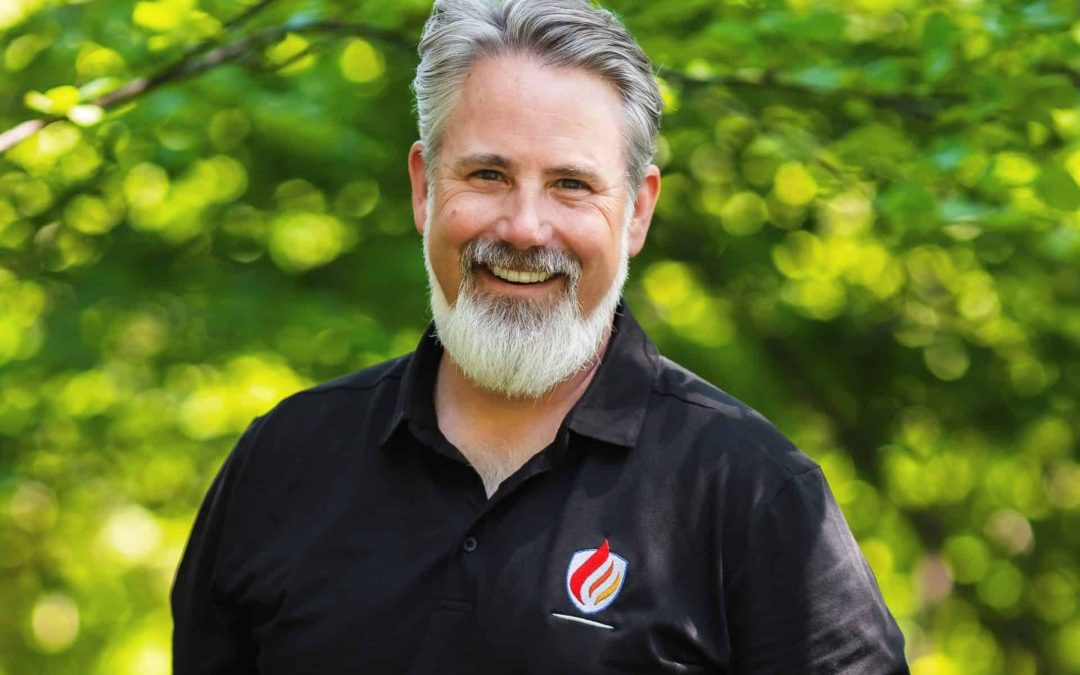
FireWise Consulting is entering an exciting new chapter. We are proud to announce the appointment of our new Director, Richie Turley. This leadership transition marks an important step forward in our growth and our long-term commitment to fire and life safety.
This change honours FireWise’s roots while positioning the company for the future. FireWise Consulting was founded in 2008, with Richie’s father, Bob Turley, as a founding partner. From the beginning, the company was built on deep fire-service knowledge, strong relationships, and a commitment to superior customer experience. As Bob shifts his focus toward retirement, this transition ensures that those values continue.
For Richie, stepping into this role is both personal and professional.
“This company reflects my dad’s passion for the fire service and his commitment to doing things the right way,” Richie shared. “I’m excited to carry those traditions forward and help FireWise continue to grow.”
Meet Richie Turley
While new to fire safety as a profession, Richie Turley brings a strong business and leadership background to FireWise from his extensive career in commercial banking. For many years, he worked closely with local businesses, helping them access financing. That role provided firsthand insight into how critical strong processes and clear data are to long-term success.
Richie has worked alongside FireWise CEO Ernie Polsom for more than five years and has deep respect for his collaborative leadership and commitment to the fire service. That shared experience has helped shape a strong working relationship built on trust and alignment. Both leaders share a commitment to the beneficial corporation movement, which is formally embedded in FireWise’s articles of incorporation.
In his role at FireWise, Richie will help strengthen how programs are delivered and supported. Technology will play a larger role in curriculum development, course functionality, and learner experience, ensuring FireWise continues to offer accessible, cost-effective online training while expanding its reach.
For Richie, this role marks an important next chapter.
“It’s a meaningful opportunity to continue my dad’s work and take on entrepreneurship in a way that aligns with my values.”
What This Means for Fire Services
This transition brings stability and a clear, growth-focused strategy. Most importantly, FireWise remains focused on creating winning conditions for fire departments: helping stretch training budgets, reduce time away from shifts, and standardize competencies across teams.
As Richie puts it, “Our goal is to create real value for our customers. Training should be accessible, engaging, and informative, while our advisory services must deliver practical, effective solutions. By working together and removing barriers, we can maintain a strong customer experience.”
In Closing
FireWise Consulting remains fully committed to delivering high-quality training and consulting services. Our subject matter experts continue to develop new courses for the FireWise Learning Academy. Our student services team supports learners every step of the way, and our consultants remain actively engaged with stakeholders across North America.
This new chapter strengthens our foundation so we can continue doing what matters most: helping fire safety professionals protect people, property, and communities.
Thank you to our clients, partners, and the fire service community for your continued trust. If you have questions about this transition or upcoming work, our team is always happy to connect. We look forward to continuing our work together.

Feb 25, 2026
Quick Answer: Fire service training provides knowledge, but professional certification (Pro Board or IFSAC) verifies competency against NFPA Job Performance Requirements (JPRs). Certification demonstrates that a fire professional can perform the job to a recognized standard, while training alone does not.
Competency, Credibility, and Consequence in Fire Prevention and Investigation
Across Canada, fire inspectors and fire investigators are increasingly expected to demonstrate more than familiarity with codes and legislation. Courts, insurers, employers, and the public now expect verifiable professional competence, not simply proof of course attendance.
In British Columbia and Alberta, provincial authorities offer non-accredited courses that provide useful regulatory context and local administrative insight. These programs serve an important role and reflect some aspects of the referenced NFPA standards. However, they are not eligible for Pro Board or IFSAC certification and do not formally assess job performance or integrate theory with practical application. This distinction matters.
As fire prevention and investigation work becomes more complex and more scrutinized, the difference between training and professional qualification has real implications for individuals and the organizations that rely on them.
Are Provincial Fire Courses Enough?
Non-accredited provincial courses are typically designed to support minimum regulatory compliance. Their strengths are clear.
They are accessible, relatively affordable, and closely aligned with provincial legislation and administrative practice. For those new to a role, they provide valuable orientation to local processes, expectations, and enforcement environments. In smaller or resource-constrained departments, these courses may be the most immediately attainable option.
Used appropriately, provincial courses function well as introductory or supplemental education.
What they don’t do, however, is establish or validate professional competence.
Why Pro Board or IFSAC Certification Matters
The primary limitation of non-accredited training is not quality; it is scope and intent.
These courses are generally knowledge-based rather than competency-based. They reflect outdated learning models derived from classroom instruction, even where available, with limited or no formal assessment of JPRs. Learners may understand what the code requires, but are not required to demonstrate that they can consistently apply that knowledge in real-world conditions.
Because these programs are not aligned with NFPA professional qualification standards, they do not support Pro Board or IFSAC certification. As a result, credentials are not portable between jurisdictions and carry limited weight outside the issuing authority.
For fire professionals, this can restrict career mobility and professional credibility. For organizations, it introduces risk. Particularly when inspection decisions, enforcement actions, or investigative findings are challenged.
When Should Fire Professionals Pursue Accredited Programs?
Accredited, NFPA-aligned programs are designed around a different premise: competence must be demonstrated, assessed, and documented.
These programs integrate theory with applied learning, scenario-based decision-making, practical skill evaluation, and defensible documentation. Written and practical assessments are structured, validated, and mapped directly to NFPA JPRs.
The outcome is not simply course completion, but verified capability.
For employers, this provides a defensible basis for assigning authority and responsibility. For professionals, it establishes credentials that are recognized nationally and internationally, supporting mobility, advancement, and credibility in high-stakes environments.
What Are the Risks of Non-Accredited Training?
Fire prevention and investigation activities increasingly intersect with legal proceedings, insurance claims, regulatory appeals, and public accountability. In these contexts, informal or jurisdiction-specific training is rarely sufficient.
Organizations must be able to demonstrate due diligence in how personnel are trained, qualified, and authorized. Individuals must be able to show that their decisions are grounded in recognized standards and validated competence. Not just experience or attendance certificates.
It is in this area where the consequences of training choices become evident.
A Complementary, Not Competing, Model
This is not an argument for abandoning provincial training. Rather, it is a call for clarity of purpose.
Provincial courses are well-suited for:
- Regulatory orientation
- Local code interpretation
- Continuing education and updates
Accredited, competency-based programs are essential for:
- Establishing a professional qualification
- Managing organizational and legal risk
- Supporting career progression and workforce sustainability
Key differences between training and professional certification:
| Feature |
Training Courses |
Certification |
| Focus |
Knowledge-based |
Competency-based |
| Assessment |
Attendance or written |
Written & practical (JPRs) |
| Recognition |
Provincial/local |
National & international |
| Portability |
Limited |
Portable credentials |
| Purpose |
Orientation, compliance |
Qualification, risk management |
When these roles are understood and applied deliberately, they complement one another.
The Bottom Line
In a profession defined by public trust and high consequence, training alone is no longer enough.
Fire professionals and the organizations that employ them must distinguish between learning about the job and being demonstrably qualified to do it. Accredited, competency-based education aligned with recognized professional standards provides that assurance, while appropriately used non-accredited training remains a valuable but limited tool.
Competency builds credibility. Credibility reduces risk. And in fire prevention and investigation, the consequences of getting this wrong are too high to ignore.
If your department is considering accredited, NFPA-aligned training, FireWise delivers programs aligned with NFPA 1030 (Fire Inspector and First Responder Inspector) and NFPA 1033 (Fire Investigator). Pro Board® certification is issued through the College of the Rockies.
Author

Ernie Polsom is CEO of FireWise Consulting Ltd., focused on supporting fire prevention and investigation professionals through competency-based education aligned with recognized professional standards. Connect with Ernie on LinkedIn.
Dec 8, 2025
Becoming an Oklahoma Fire Marshal is a professional milestone that demonstrates your understanding of fire prevention, investigation, community risk, and leadership at a high level. The Fire Marshals Association of Oklahoma (FMAO) has set clear minimum standards so that anyone holding the title can meet the expectations of their community and their organization.
This article walks through what those requirements look like, why they matter for public safety, and how training can help you get there.
Understanding the Oklahoma Fire Marshal Role
A Fire Marshal plays a central role in protecting communities through fire prevention, code enforcement, public education and oversight of investigation work. The position requires a strong understanding of how buildings function, how risks develop, and how to apply fire and life safety codes consistently and fairly.
The FMAO bases its certification expectations on the job performance requirements historically outlined in NFPA 1037. While these responsibilities now fall under the consolidated NFPA 1030 standard, the core expectations remain the same: Fire Marshals must be able to manage prevention programs, lead inspection and enforcement efforts, support origin and cause investigations, and guide public education and community risk reduction. Mentioning the consolidation is useful for clarity, but the practical work of the Fire Marshal has not changed. Only the document that houses the standard has.
Understanding the Fire Marshal role helps clarify why Oklahoma has established such detailed certification requirements. The responsibilities are wide-reaching, and the decisions made by Fire Marshals influence everything from development planning to emergency response readiness.
Minimum Requirements for an Oklahoma Fire Marshal Certification
Oklahoma has a formal credentialing process managed by the FMAO. Fire Marshal certification is offered at two levels: Basic Fire Marshal and Advanced Fire Marshal.
Basic Fire Marshal
To earn Basic Fire Marshal certification, applicants must hold at least four approved credentials, reviewed by the FMAO Credentialing Committee. These options include:
- Instructor I certification (IFSAC or Pro Board)
- Fire Investigator training through the National Fire Academy or IFSAC/Pro Board
- Fire Inspector I certification through IFSAC, Pro Board, or ICC (aligned with the new NFPA 1030 Fire Inspector standard)
- Fire and Life Safety Educator I
- At least two Community Risk Reduction self-study courses from the National Fire Academy
- Council on Law Enforcement Education and Training (CLEET) or an equivalent certification
This structure recognizes that Oklahoma Fire Marshals need both a broad skill set and formal, accredited training.
Advanced Fire Marshal
Advanced Fire Marshal certification builds on the Basic level. Candidates must first meet all Basic requirements, then hold at least four higher-level credentials. These include:
- Documented CRR continuing education over four years
- Fire Plans Examiner certification
- Fire Officer III or a bachelor’s degree in a related field
- Fire Inspector II (again aligned with NFPA 1030)
- Meeting the requirements to test as a Certified Fire Investigator, linked to NFPA 1033
- At least four years in a fire prevention division plus 60 college credit hours, including Fire Science or Criminal Justice coursework
Reaching the Advanced level demonstrates a Fire Marshal’s ability to work confidently with complex code issues while also shaping broader prevention strategies that keep communities safer.
Why Accredited Training Matters for Oklahoma Fire Marshals
The FMAO accepts certifications from recognized bodies such as IFSAC, Pro Board, and ICC. These organizations accredit entities that test individuals against national standards like NFPA 1030 and 1033.
For example, Pro Board describes its accreditation as a “gold standard” of third-party assessment, confirming that a certification program truly measures candidates against the relevant NFPA standard.
For Oklahoma agencies, this has real benefits:
- You can trust that Fire Marshal candidates have been evaluated against the same national benchmarks.
- Certifications are recognized across the country, making them valuable for mutual aid work and regional fire service collaboration.
- It becomes easier to build a training and promotion framework inside your department that lines up with FMAO expectations.
The need for high-quality, accredited training is highlighted by Oklahoma’s fire-service realities. In 2023, the U.S. Fire Administration reported that 400 Oklahoma fire departments submitted NFIRS data. Fire casualties in the state averaged 2.6 deaths and 2.7 injuries per 1,000 fires, compared to national averages of 2.1 deaths and 6.4 injuries.
On top of that, around 80% of Oklahoma fire departments are entirely volunteer, which puts extra pressure on training systems to be accessible and efficient, when volunteers juggle day jobs, family responsibilities, and training hours, online and blended options become essential for building a Fire Marshal pipeline.
How To Prepare for Fire Marshal Certification in Oklahoma
If you are an Oklahoma fire professional thinking about the Fire Marshal path, it helps to see it as a planned progression rather than a single step.
1. Map Your Current Certifications
Start by comparing your current certifications and experience against the FMAO Basic Fire Marshal criteria. Ask yourself:
- Do I already hold Instructor I, Fire Inspector I, or Fire Investigator training?
- Have I completed any National Fire Academy CRR self-study courses?
- Do I have any law-enforcement related training such as CLEET or equivalent?
This will show you which “four of the list” you already meet and where the gaps are.
2. Plan NFPA-Aligned Training
Next, identify NFPA-aligned training that fills those gaps. Many professionals will focus on:
Online, self-paced courses play a big role here, especially for rural or volunteer-heavy departments that struggle with travel and backfill.
3. Build Experience and Documentation
FMAO requires not just certificates, but also proof of time in a fire prevention division and relevant college hours at the Advanced level. Keeping accurate training logs, transcripts, and position descriptions will make your application smoother when you are ready to submit.
Bringing It All Together
Becoming a Fire Marshal in Oklahoma means much more than meeting a checklist. It is about building a broad and deep foundation in inspection, investigation, risk reduction, education, and leadership, supported by national standards.
In a state where most departments rely on volunteers and where hundreds of agencies contribute to the fire-safety picture, consistent, accredited training and clear minimum standards help keep communities safer.
If your next step is to move toward Fire Marshal certification, the most important thing you can do now is to understand the standards, plan your training around NFPA-aligned, accredited courses, and start documenting your experience. The work you do today in inspection, investigation, and community risk reduction is already part of what it takes to become a Fire Marshal in Oklahoma.
At FireWise, our Pro Board-accredited Fire Inspector (NFPA 1030) and Fire Investigation Origin & Cause (NFPA 1033) programs are designed to help you build the skills and qualifications needed for fire inspection, investigation, and prevention.
Ready to plan your pathway? Get in touch with our team today.
Apr 29, 2025
NFPA 1030 Updates
The recent updates to the Emergency Response and Responder Safety Consolidation Plan (ERRS) to introduce the new NFPA 1030 standard is the cause for many questions. Staying informed about the latest updates and standards is essential for maintaining the high-quality practices that contribute to the well-being of the communities that we serve. In this Q&A, we dive into key details about the updates to the newly introduced NFPA 1030. What is NFPA 1030?
NFPA 1030 is the Standard for Professional Qualifications for Fire Prevention Program Positions. It provides minimum core and mission-specific Job Performance Requirements (JPRs) for individuals in these roles. This standard is crucial for fire service personnel and those involved in their training, hiring, or evaluation.
How long did this consolidation take to complete?
Targeted to be completed by 2025, it is ahead of schedule. This consolidation project was approved and supported by the NFPA Standards Council in April 2019.
What is involved in the consolidation?
It aims to enhance the experience of developing Emergency Response and responder Safety (ERRS) standards and create better efficiencies for the Technical Committee (TC) members. It involves consolidating various ERRS standards, guides, and best practices over a five-year period.
What are the changes in NFPA 1030?
The 2024 edition includes the following changes:
-
-
- Key terms were unified into single definitions.
- Fire marshal skills were edited and expanded to better reflect the activities of a fire marshal.
- Development of the position of first responder inspector, impacting position titles in NFPA 1031 chapters.
- Consolidation of plan examiner levels into a single position.
- Revisions to NFPA 1035 chapters to promote inclusivity and cultural competence in prevention roles, particularly in youth fire setting intervention.
- Updates to incorporate new technologies like social media platforms and other electronic communications.
How will the changes impact the training that FireWise provides?
FireWise will ensure that our course materials align with chapter numbers in the new standards. There are no changes to the JPRs themselves.
What challenges are being addressed within the new standard?
It addresses various concerns that have been expressed, including:
-
-
- Lack of knowledge about the activities of different TCs.
- Conflicting information among the different standards.
- Having to purchase multiple standards to get a full understanding of a topic.
- Difficulties in planning and scheduling for TC members and representative groups.
- Increasing travel costs.
- Limited availability of meeting facilities.
For a full list, visit the NFPA website and their Emergency Response and Responder Safety Consolidation Project section.
How can I access information on NFPA 1030 and the consolidation process?
For detailed information on NFPA 1030 and the consolidation process, visit NFPA’s website.
Introducing Our NFPA 1030 First Responder Inspector Course!
We are excited to announce the launch of our First Responder Inspector Course as part of the new 2024 NFPA 1030: Standard for Professional Qualifications for Fire Prevention Program Positions.
The NFPA 1030 standard integrates the roles of Fire Inspector I and Fire Inspector II (previously identified in NFPA 1031) into First Responder Inspector and Fire Inspector.
This course provides you with the knowledge and skills required to perform Company Inspections but also prepares you to attain First Responder Fire Inspector certification if desired.
Watch this short video for an explanation on the new NFPA 1030 Standard.
Register now for our Fire Inspector Course.
Mar 5, 2024
How to Become a Fire Prevention Officer: Fire prevention officers and fire inspectors play a key role in ensuring fire and life safety. This position includes tasks such as inspecting buildings to ensure compliance with fire prevention regulations, investigating fires to determine the origin and cause, and developing educational programs for property owners, fire prevention officials, and community members. Starting your career as a fire prevention officer requires a strategic approach to developing your skills and acquiring the necessary qualifications. Before starting your journey, it’s essential to gain an understanding of the responsibilities that this role will require of you and the path to achieving success.
Where to Begin
Understanding the role of a fire prevention officer or fire inspector is the first step toward starting down this career path. You will require knowledge of building construction and active fire protection systems, like fire alarms and sprinkler systems. You will also require an understanding of passive fire prevention systems, like fire separations and fire-rated construction assemblies. Fire prevention officers also need a working knowledge of the relevant acts, codes, and standards governing fire prevention in their jurisdictional area.
Fire inspectors are often involved with fire investigations to determine the origin and cause of a fire. Determining the cause of the fire may prevent future fires from occurring. Having introductory knowledge of fire investigation can be gained online, and this knowledge can enhance your resume when applying for positions.
If you desire to transition from a firefighting role to fire prevention, participating in a company inspection program is a great learning opportunity. It will help you gain the basic skills required to identify and eliminate potential fire hazards before they become life-threatening.
Your career journey from firefighter to fire inspector often begins with foundational courses. At FireWise, we recommend starting with our Company Inspection Program. This 8-hour online course provides a cost-effective introduction to fire inspections and a glimpse into the daily responsibilities of a Fire Prevention Officer.
Fire Inspector and Investigator Programs
Once you’ve completed the Company Inspection Program and find yourself looking to expand your knowledge, consider enrolling in Fire Inspector and Fire Investigator programs. These programs will offer you the behind-the-scenes experience to grow professionally and further develop your knowledge and skills to review and process plans, conduct complex inspections, respond to complaints, and make informed recommendations based on the codes you enforce.
Gaining Practical Experience
While courses provide valuable theoretical knowledge, practical experience is equally important. Reach out to your local fire department to explore opportunities for involvement. Volunteer roles, especially in departments with volunteer or paid-on-call positions, can offer hands-on experience and a chance to apply your knowledge in real-life scenarios.
Preferred Experience
The field of fire prevention is competitive, so consider the following to gain the preferred experience and qualifications:
- Technical Skills
Become skilled in the operation of Microsoft Office programs and gain a working knowledge of data-based systems. Previous fire prevention, fire investigation or code experience is also helpful.
- Communication Skills
Develop confidence and experience in public speaking, a crucial aspect of educating the community on fire safety.
- Community Involvement
Engage with your community and seek volunteer experiences to enhance your skills and foster meaningful relationships.
- Specialized Knowledge
Gain knowledge of building construction, wiring, heating systems, mechanical systems, industrial processes, including chemical reactions, and the dangers of flammable and combustible materials and liquids.
Preferred Qualifications
Additional qualifications that will be required include:
Educational Background
While not mandatory, completing a post-secondary program in Fire Protection Technology or Fire Engineering can set you apart.
Life Safety Educator Certification
Consider obtaining the Fire and Life Safety Educator 1 certification to NFPA 1035 or an Adult Education Diploma or Teaching Certificate.
Driver’s Abstract
Ensure that a current Driver’s Abstract, indicative of responsible operation, accompanies your application.
To further improve your qualifications, FireWise has built the following courses. Developed by fire chiefs and fire professionals, these courses are worth considering as they provide real-life examples, and the content is based on in-the-field experiences:
Fire Inspector Certification
FireWise offers an NFPA 1030 Fire Inspector Training course certified to the NFPA 1030 Fire Inspector Standard.
Fire Origin and Cause Certification
FireWise offers a Fire Investigation Origin & Cause Level I and Level II course certified to the NFPA 1033 Fire Investigator Standard, which is available entirely online.
Summary
You can confidently step into this fulfilling role by starting with foundational courses, building on your knowledge with advanced programs, and gaining practical experience. If you have any further questions, please don’t hesitate to contact us at training@firewiseconsulting.com.
Aug 3, 2023
When facing the force of fire, firefighters have long been our communities’ front line of defence. Over the years, the fire service has undergone a remarkable transformation, adapting to changing environments, embracing technological innovations, and expanding its role beyond traditional firefighting.
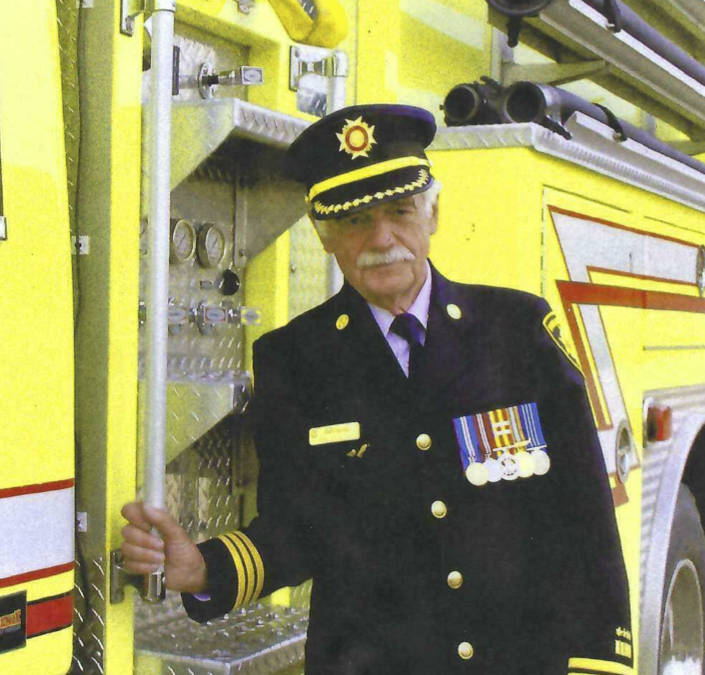
To get more insight into how the fire service has changed over the years, we interviewed Chief Bill Purdy, a fire chief with an impressive 60-year career in the fire service. Chief Purdy’s wealth of experience provides valuable insight into the evolution of the fire service. Join us as we explore the significant transformations, challenges, and technological advancements that have revolutionized the fire service.
Meet Fire Chief Bill Purdy: Pioneering Fire Protection in Wabamun
Fire Chief Bill Purdy’s journey in the fire services began in 1961 when he was hired as an engineer to work at the power plant in Stony Plain, Alberta’s municipal district (M.D.). At that time, the hamlet of Wabamun had no fire protection, and with the increasing population due to the power plant’s establishment, concerns about fire safety grew. Recognizing the urgency, Chief Purdy and colleagues from Calgary Power and the local mine formed a committee to advocate for fire protection in the area.
Their dedication came to fruition when the M.D. of Stony Plain approved a plan to expand fire protection to all hamlets within its jurisdiction over the next few years. Wabamun was the first to be selected, marking the beginning of its fire service in 1964. At its inception, the department had 22 members, operating with an open boundary encompassing the entire M.D.
As the fire department grew, so did the coverage area. Fire equipment was introduced to various hamlets, and agreements were established with neighbouring towns and villages, enhancing the fire protection network. The department received its first fire truck in 1964, and rigorous training from the Fire Commissioner’s Office ensured the firefighters were well-prepared for their duties.
Chief Purdy and his team were committed to building a strong foundation for fire protection in Wabamun. A new fire hall was constructed with limited resources, costing only $6,800.
Overcoming Challenges: Equipment and Training
Throughout the history of the fire service, overcoming challenges has been a driving force in shaping modern firefighting. However, the journey toward progress wasn’t without its hurdles.
Chief Purdy shares a glimpse of the early days: “Back then, our personal protection equipment (PPE) left much to be desired. We were equipped with rubber boots, barely reaching our hips and subpar helmets. Our only form of protection from the elements was a black leather raincoat. Breathing apparatus was unheard of. We first acquired three sets of the old steel bottles, which were quite a challenge to carry around, in 1969. The oxygen in those bottles would last about 20 minutes, depending on the situation’s intensity. Over the years, the breathing apparatus has, of course, improved greatly.”
It’s incredible to think of the obstacles early firefighters faced with such limited gear. However, the department continuously sought to improve its capabilities.
Harnessing Technology for a Safer Fire Service
In the ever-changing landscape of the fire service, technology has played a pivotal role in revolutionizing the way we approach firefighting. From improved communication systems to state-of-the-art equipment, technological advancements have been a driving force in enhancing firefighter safety and effectiveness.
Chief Purdy reflects on the transformative journey: “Throughout my tenure, there have been significant technological advancements in the fire service. Being closely affiliated with the Alberta Fire Chiefs Association and the National Fire Protection Association allowed me to be part of the operation, gaining more knowledge about the latest standards and practices.”
One of the most notable changes has been in communication systems. Gone are the days of siren-based alerts. Instead, this was moved to a pager system for more efficient and precise dispatches. More recently, the introduction of mobile apps has further streamlined communication, providing firefighters with real-time information at their fingertips. With these advancements, response times have improved, enabling firefighters to reach the scene swiftly and effectively.
Chief Purdy makes a note of his experience in how communication systems have changed by noting: “In 1975, the department received our first pager for response, and full-time dispatch occurred in 1989 when Parkland County officially opened the 911 call center in Stony Plain, dispatching for several fire department and municipalities in Alberta. The center recently moved to the new fire hall in Wabamun’.”
Moreover, innovative PPE has become a mainstay in modern firefighting. Flame-resistant gear and thermal imaging cameras provide added protection and situational awareness, enabling firefighters to navigate hazardous environments more safely and efficiently.
Chief Purdy emphasizes the positive impact of these technological advancements: “The fire service has come a long way, both in terms of technological advancements and strategic planning. The commitment to embracing change and investing in the latest technologies has enhanced our efficiency and improved the safety of our firefighters and the communities we serve.”
Building the Future: Training and Recruitment in the Fire Service
Chief Purdy next reflected on the evolution of recruitment and training practices over the years. The fire service has transitioned from an ad-hoc approach to a more structured and standardized system. The Alberta Fire Chiefs Association’s proactive efforts in developing recruitment and retention strategies have proven instrumental in attracting and retaining passionate firefighters.
During my tenure as the executive director, we recognized the need for strategic improvements. Thus, in 2011, we successfully obtained a grant to conduct a thorough study on recruitment and retention. Through collaboration with a consultant, we identified essential factors that have since shaped our training initiatives. This program was piloted in several Alberta municipalities, including ours, and its success gained momentum. Thanks to our friend Peter Krich, the chief at Camrose, the program garnered interest from the Canadian Fire Chiefs Association and even expanded into the United States. Today, the program continues to thrive, empowering municipalities and fire departments with a deeper understanding of their needs.
Our study revealed a crucial insight: Firefighter retention increases significantly if individuals remain with the department for at least five years. However, in some small Alberta towns, young recruits eager to serve face challenges finding work within the community. As they seek employment elsewhere, they reluctantly leave the department.”
Looking to the Future
As we look to the future of the fire service, we recognize that new challenges will arise. Climate change, urbanization, and technological advancements will demand a flexible approach from our industry.
With extensive experience in the fire service and his involvement with the Alberta Fire Chiefs Association, Chief Purdy emphasizes the ongoing changes and advancements the fire service will face. He highlights the importance of continual adaptation to new technologies, enhancing training programs, and the increasing need for collaboration and coordination in emergency response, particularly in the face of wildfire incidents.
Chief Purdy’s passion for the fire service extends beyond his active years, as he undertakes documenting the history of the fire services in Parkland County. Recognizing the value of capturing historical information, Chief Purdy aims to expand this initiative to preserve the province-wide history of the fire service for future generations.
Summary
The fire service’s journey of transformation and adaptation has been shaped by the dedication and resilience of individuals like Chief Bill Purdy, whose remarkable 60-year career reflects the fire service’s evolution.
The fire service’s progression from rudimentary equipment to cutting-edge technology showcases its commitment to firefighter safety and efficiency. Advancements in communication systems, innovative personal protective gear, and the integration of mobile apps have revolutionized firefighting practices, allowing firefighters to respond to emergencies swiftly and effectively.
The strategic evolution of recruitment and training practices has further bolstered the fire service’s capabilities. Standardized training programs and thoughtful recruitment initiatives have proven essential in attracting dedicated firefighters and ensuring their retention within the department.
As we look to the future, the fire service must remain adaptable to meet new challenges head-on. Climate change and technological advancements will demand ongoing innovation and collaboration from our industry.
Looking for more? Sign up for your free copy of FireWatch. A monthly digital newsletter where we bring the latest industry news to your fingertips. The articles we share have caught our attention, and we will keep you in the “know”!
Sign Up Now
Jun 8, 2023
Hot Summer Nights: Bringing Fire Departments Closer to the Community
Engaging with the community is an important aspect of a fire department’s work, and one initiative that has proven to be successful in building these connections is the Hot Summer Nights program. This program, led by Fire Chief Michael Van Dop and the Maple Ridge Fire Department, has been running for over 25 years and has become a highly anticipated event in the community. In this article, we will explore the origins of Hot Summer Nights, its growth over the years, and its impact on both the community and the firefighters involved.
Maple Ridge Fire Department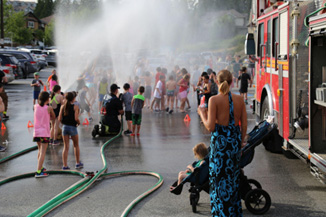
We had the privilege of sitting down with Chief Van Dop to discuss the importance of this initiative and its many benefits for the fire department and the communities they serve. As part of our commitment to assisting communities, FireWise is actively engaged in completing a Fire Department Master Plan in collaboration with the Maple Ridge Fire Department. Chief Van Dop emphasized the importance of strategic planning in this endeavour, stating, “We must get this right to ensure the fire department’s ability to meet current community needs while anticipating future growth.”
Maple Ridge, a thriving community, is projected to welcome over 40,000 new residents in the next decade and beyond. Recognizing this impending growth, Chief Van Dop stressed the importance for the fire department to act purposefully and to fulfil the city’s expectations now and in the future. He emphasized the need to proactively consider the potential impact of this growth and position the fire department for success.
Chief Van Dop’s vision for the Fire Department has various aspects, as he expressed, “We need to be intentional about our actions as a fire department and as part of the entire corporation. By doing so, we not only meet the city’s present needs but also lay a solid foundation to accommodate future demands.”
How Hot Summer Nights Connects the Community
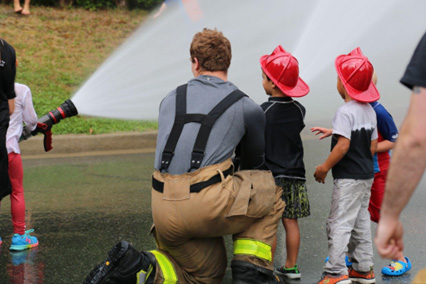
What originally started to engage the community and to ensure rapid response times by having the volunteer firefighters on duty during the event, the initiative quickly gained traction. It started with a single fire truck visiting neighbourhoods, spraying water, and generating excitement among children. However, over time, it has evolved into a much greater community event that the entire city looks forward to.
Expansion and Collaboration
Today, the Hot Summer Nights program spans four to five weeks during the hottest period of the summer, typically from mid-July to mid-August. With the growth of the Maple Ridge Fire Department, the initiative has expanded to take place in multiple neighbourhoods at one time. The event has also seen collaboration with other city departments, such as Parks, Recreation, and the Royal Canadian Mounted Police (RCMP).
Engaging Activities
Hot Summer Nights is not just about spraying water and having fun; it offers an opportunity for different departments to engage with the community and provide valuable information. During the events, families can enjoy activities such as touring RCMP cruisers and excavators from Public Works and enjoying treats from food trucks. Fire Chief Van Dop emphasizes that these activities can also serve as natural conversation starters, allowing firefighters to discuss recruitment efforts and other community initiatives. It’s a chance to break down barriers and create a more human connection with residents.
Fire Chief Van Dop expresses, “At the end of it, you’ll see kids shivering, not wanting to go and not wanting to stop.” He also emphasizes that firefighters wholeheartedly participate as well by saying, “Let’s just say the firefighters aren’t shy about getting wet themselves. We always make a point of making sure that the firefighters are equally enjoying themselves.”
Building Relationships
The impact of the Hot Summer Nights program goes beyond a single event. It builds a sense of community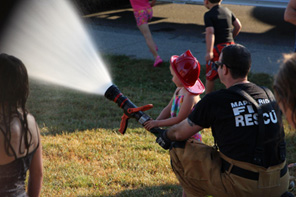 and brings neighbours closer to one another. Families plan their Wednesday nights around the event, hosting pizza dinners for the neighbourhood before the fire trucks arrive. As a result, those who may have been strangers become familiar faces, creating lasting relationships within the community. Firefighters also have the opportunity to involve their own families. Chief Van Dop describes this by stating, “It’s heart-warming. The feeling that you have when you attend one of these is great. The kids and families are all having a blast.”
Inspiring Other Fire Departments
The success of the Hot Summer Nights initiative has not gone unnoticed. Chief Van Dop mentions that they have shared the program with other fire departments, and some have adopted similar initiatives. The key to success lies in adapting the program to the specific needs and resources of each community. While the scale may vary, the spirit of bringing firefighters closer to the community remains the driving force behind these programs.
Conclusion
The Hot Summer Nights initiative led by Fire Chief Van Dop and the Maple Ridge Fire Department exemplifies the importance of community engagement for fire departments. Through a simple idea that began over 25 years ago, the program has evolved into a community event that people look forward to year-round. It not only provides a platform for fun and excitement for children but also serves as an opportunity to build connections between firefighters and residents.
By expanding the initiative and collaborating with other city departments, Hot Summer Nights has become a heart-warming experience that strengthens the Maple Ridge community. As additional fire departments adopt similar programs, the Hot Summer Nights initiative continues demonstrating the impact of connecting with the community.
If your department wants to share information about fire prevention programs that have been successful in your community, don’t hesitate to get in touch with Vraya Forrest at vraya@firewiseconsulting.com to arrange an interview.
Looking for more? Sign up for your free copy of FireWatch. A monthly digital newsletter where we bring the latest industry news to your fingertips. The articles we share have caught our attention, and we will keep you in the “know”!
SIGN UP NOW

Mar 1, 2023
Smoke alarms are a crucial piece of fire safety equipment, but they only work if they are maintained.
A working smoke alarm can save lives by alerting people to fires as early as possible. However, not all homes have working smoke alarms. In fact, the National Fire Protection Association (NFPA) reports that from 2014-2018 almost three out of five fire deaths in US homes were caused by fires in properties with no smoke alarms or smoke alarms that failed to operate.
The number of fire-related deaths is rising
The Ontario fire marshal has recently reported on the number of fire-related deaths in Ontario over the past year. According to the data, there were a total of 133 deaths related to fires in 2022, which is the highest number recorded in more than 20 years.
“A very high percentage of fatalities happen in homes without working smoke alarms,” said fire marshal Jon Pegg when asked about the findings. “We don’t need to be losing families. We certainly don’t need to lose able-bodied children who just made it through Christmas, looking forward to New Year’s. It breaks my heart, ”
“I’m standing here as the fire marshal of Ontario, as a father, and as someone who’s been on the scene of fatal fires far too many times, and I’m pleading with each and every one of you,” he said. “Please take the fundamental steps and prevent a fire death. Check your smoke alarms now. It only takes seconds.”
The report also found that most of these deaths occurred during the winter months of November, December, and January. According to the Red Cross, in these colder months, heating equipment like portable space heaters are the leading cause of home fires.
Fire alarm systems in multi-unit buildings
While smaller homes often use smoke alarms, multi-unit housing like apartments often have fire alarm systems. The failure of these systems to alert tenants of danger can also cause death, often in much larger numbers. Keeping in mind the distinction between fire alarms and smoke alarms, where a smoke alarm is capable of sensing smoke and sounding an alarm within a specific area containing fumes, fire alarms are activated by smoke detectors. They sound a widespread alarm that will be heard across the entirety of a building or site.
Many large-scale fires have also been attributed to failing fire alarm systems:
- 2011 Winnipeg Airport Fire in Manitoba
- 2010 University of Toronto Fire in Toronto, Ontario
- 2009 Royal Ottawa Hospital Fire in Ottawa, Ontario
- 2008 Power Plant Fire in Montreal, Quebec.
Shawn Mahoney from the NFPA provides a detailed illustrated guide to fire alarms in a recent article entitled A Guide to Fire Alarm Basics. Its comprehensive illustrations demonstrate how a fire alarm system works and where it can fail. The article shares a visual guide and discusses some of the major components and functions of a fire alarm system.
Educating your community
Education is critical to smoke alarms and fire alarm maintenance and placement. Sharing this knowledge is an excellent way for the fire service to engage with the local community. Managing smoke alarms and fire alarms in buildings involves common sense, yet many times things are overlooked. By creating a checklist, the smallest of details can be tracked:
- Fire alarm systems have daily, weekly, monthly, and annual inspection, testing and maintenance requirements to ensure they work correctly.
- If possible, a fire alarm system should be connected to the local fire department or to a monitoring service which provides 24-hour coverage.
- Fire alarm systems should be integrated with other building systems, such as sprinkler and HVAC systems, to provide comprehensive fire protection.
- Smoke alarms are self-contained units that should be tested monthly.
- Install smoke alarms in each bedroom, outside each sleeping area and on every level of the home.
- Smoke alarms should be equipped with backup batteries in case of power failure.
- Routine fire prevention assessments are an inexpensive form of preventive maintenance
Summary
In the event of a fire, firefighters are trained to respond quickly and safely. But it is also up to citizens to protect themselves, their families, and their tenants by installing and properly maintaining smoke alarms and fire alarm systems when required in their buildings.
Reducing the number of fire-related deaths should be a top priority. By keeping fire safety education at the forefront of everyone’s minds, we can work towards reducing the number of fire-related deaths every year.
If you haven’t done so already, sign up for your free copy of FireWatch. A monthly digital newsletter where we bring the latest industry news to your fingertips. The articles we share have caught our attention, and will keep you in the “know”!
Sign Up Now
Additional information sources:
NFPA Top Fire Causes and Risks
Electrical Fire Safety Outreach Materials
Nov 1, 2022
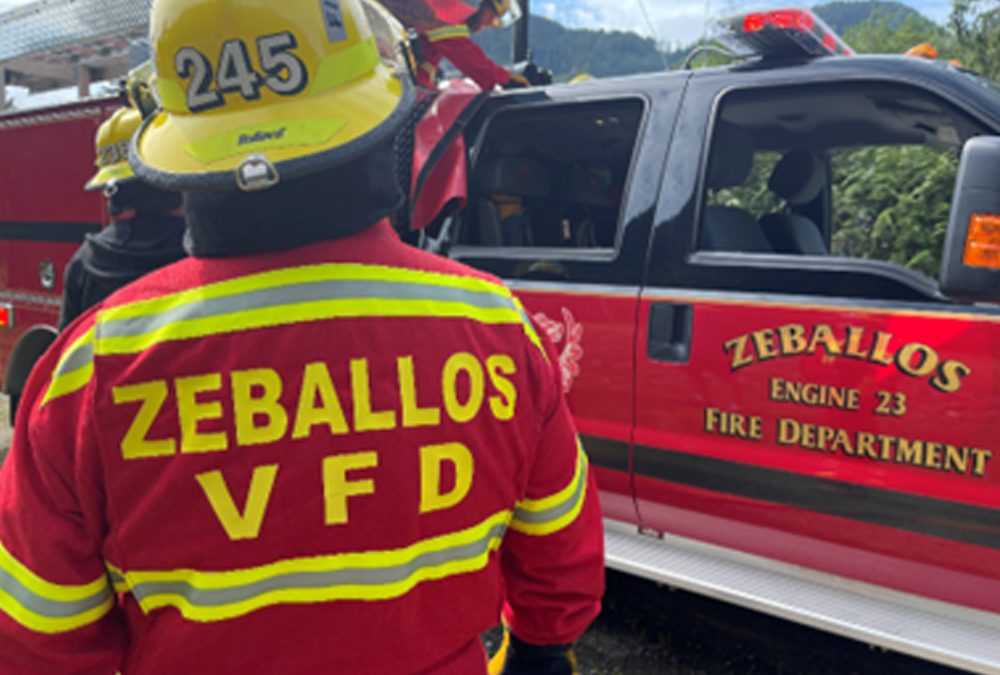
Lieutenant Seann Wells recently returned from a two-day boot camp hosted by FireWise Consulting in the Village of Zeballos. A town where the Fire Department had temporarily closed its doors due to unsafely low member numbers.
We sat down to discuss why this may have happened, what changes we are seeing in the volunteer fire service industry to cause numbers to continue to fall to new lows, and what things can be done to mitigate some of the losses fire departments are dealing with.
Seann Wells has been a part of the fire service for the past 20 years, starting as a volunteer in 2002 and going career in 2011. In 2019, Seann Wells joined the FireWise team as an associate, assisting with training and fire investigations in municipalities across British Columbia.
Can we solve, or slow, the declining numbers in the volunteer fire service?
“Sometimes we get stuck in the mindset of looking for what we think is a firefighter. But a wide range of skills is needed in a fire department.”
Seann talks about the different realities that communities face in recruitment for both volunteer and career firefighters. We asked him what he saw as the reason for the rapid decline in volunteer firefighters. “I would be a millionaire if I knew that answer,” he replied.
According to an article written in Firefighting in Canada, we have lost one-fifth of the volunteer base in the last five years. Not only that, but the total number of volunteer fire departments has dropped from 3,500 in 2016 to just 3,200 in early 2021.
In a study written in Firefighter Nation in 2016, the numbers of volunteer firefighters recorded were at the lowest levels since the National Fire Protection Association (NFPA) began the survey in 1983. Unfortunately, those numbers have continued to decline.
In speaking with Seann, he stressed the importance of community-specific recruitment efforts. “I think fire departments need to be very practical in their recruitment. Everyone has in their mind what a firefighter should be. They understand the commitment to the training. But do fire departments need to attract just firefighters?” he said.
“It’s not just people that can do rescues, fire suppressions, and medical. They need help with administration, which is often why people burn out. Are there people with those skill sets that can help in those areas? Are there people who can do traffic control or medical but don’t want to do fire suppression and crawl on the ground and lift ladders? You must be open-minded when recruiting people and be broader with the people you attract.”
Take a step back, and look at the bigger picture.
Consider looking at the broader picture. A wide range of skills is needed to run a fire department effectively, and hiring the right people for those jobs is essential.
“It’s like a business, just like anything else. You need to hire the correct people for the job, and there are a lot of jobs in the fire service. So, bring people on board and don’t necessarily have them as a firefighter but still have them contribute to the fire department.” Seann says.
While the number of calls continues to rise, the number of firefighters available is dropping.
Unfortunately, the declining number of volunteer firefighters does not reflect the increased need for the fire service. “The fire department is that business where you call 911, and you expect them to do anything,” Seann noted.
According to the NFPA, in 2021 alone, there were approximately 36,624,000 fire department calls, which is almost four times what it was 40 years ago. However, the number of volunteer firefighters is dwindling at a much faster rate, which can put significant amounts of stress on these departments that are already close to their limits.
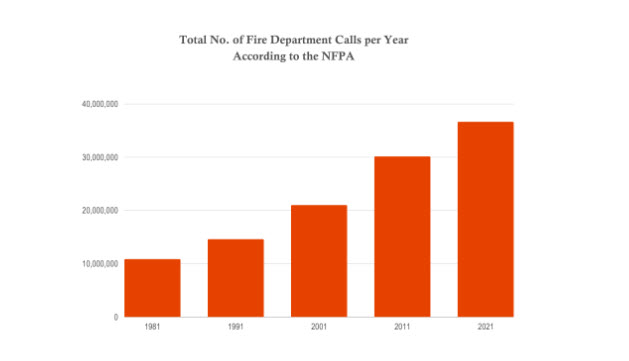
Data source: The National Fire Prevention Association (NFPA)
“It doesn’t matter if you’re in a town of 100 or 100,000; if someone calls 911 and expects the fire department, they want to see what they see on TV. Sometimes it’s a bit of a reality check.”
What happens if there aren’t enough people to safely run a department?
While uncommon, fire departments even closing their doors can happen in smaller communities that don’t have the hands to effectively keep up with demand. With the number of volunteers hitting an all-time low, the Village of Zeballos saw first-hand what this meant.
“In this case, [in Zeballos] the numbers dwindled so low that it wasn’t safe to have just one or two people tend a fire. Someone’s going to get hurt. And it becomes a liability for the community.” Seann said.
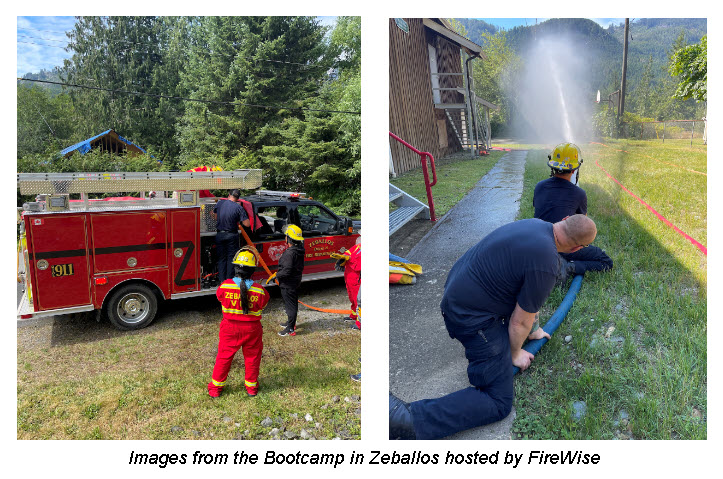
After the mayor announced the temporary suspension of the fire department, FireWise organized and conducted a two-day boot camp in Zeballos, which 14 members of the community attended to prepare to be a part of the department. Some had previous experience, but most had none whatsoever.
“What it was this quick introduction to the fire service. So, we did hose handling, hose streams, spraying water, how to move a hose that’s charged under pressure, and a few truck operations with them. Ladders, rescue equipment, communications, and a little bit about interface fires. It was a snapshot. It wasn’t to give anyone certificates or certification, it was – hey, if you want to join the fire service, this is what you need to expect.” Seann said in describing the boot camp.
“We saw a lot of smiles. A lot of people got sweaty, and that’s what we want. It means everyone participated. And we finished with a couple of scenarios, we did a couple of mock fires, and they had to respond to them and do their jobs. And they all performed well.”
With the boot camp complete and the numbers back up, Zeballos was recently given the green light to open their fire hall again.
“It was a great turnout. They need to harness the momentum now. That’s the trick. You have got to keep people engaged week after week, then you retain them. Because they are excited to come.” Said Seann.
Keeping your community and your people engaged.
Keeping your departments engaged and the community involved is just one part of maintaining a sense of belonging in a fire department.
“To understand recruitment and retention, the fire department must understand why people are leaving. That is important.” Seann continued, “There is no one answer for any fire department. It’s community firefighting, and it’s community fire service. And each community can have some similarities, but each is also going to have a lot of differences You do need to take the time to understand what is drawing people to your fire department, why they want to be there, and why they are leaving.”
When people leave, find out why. Conduct those exit interviews. Dig deeper into why they are leaving. Ask them to get detailed. “Are there things that we could have changed? Were we able to achieve your goals? If we could not achieve your goals, why do you think we were unable to? Let us get to the root of it.” Seann noted.
The cause of the volunteer firefighter shortage we are facing is the result of many different changes in the industry and our world. The dwindling numbers can have profound impacts for communities like Zeballos that rely almost entirely on volunteer departments.
There is no ‘one-size-fits-all’ solution to the problem. Each community and department need to look at their individual needs and find new ways to reach recruits. Creating a sense of belonging, understanding your members’ needs, and understanding the needs of their families is just the starting point.
Apr 14, 2022
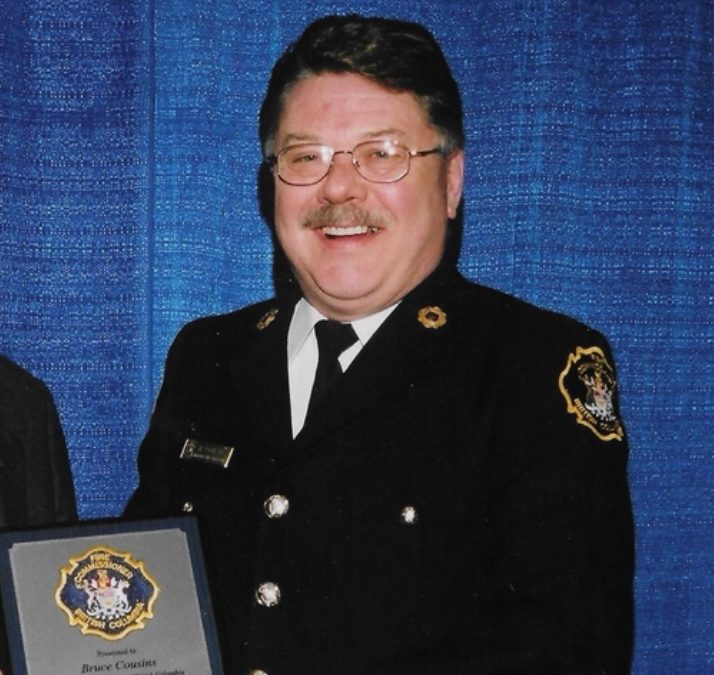
We regret to share the passing of Bruce Morley Cousins. Bruce was a founding partner in FireWise and spent many years as the Regional Fire Commissioner for Northern British Columbia. His commitment to the fire service, his wonderful sense of humour, and his friendship are part of his legacy. He will be greatly missed.
Bruce Morley Cousins
September 18, 1946 – March 15,2022.