Mar 23, 2022
First responders’ continuous exposure to traumatic events can lead to various occupational stress injuries. The Centre for Suicide Prevention carried out a study that concluded that “first responders experience PTSD at twice the rate of the average population.” Empathy fatigue, also known as vicarious trauma or secondary stress, can often mirror the symptoms of PTSD, making it sometimes difficult to separate the two.
Know How to Recognize the Symptoms
The daily stresses that first responders encounter when completing their work take a toll on their emotional, mental, and physical health. The unfortunate fact is many first responders go into their professions because of their caring and empathetic nature. Being susceptible to the emotional stress of those they encounter and care for is often a harmful side effect of their profession.
According to the Canadian Medical Association, some of the symptoms and side effects of emotional trauma can include:
- Feeling easily overwhelmed or hopeless,
- Finding difficulty concentrating and making decisions,
- Having trouble sleeping or experiencing frequent nightmares,
- Feeling increasingly irritable, angry, sad, or depressed,
- Losing interest in tasks that you previously enjoyed,
- Becoming isolated and withdrawn from others,
- Increasing the use of substances to self-medicate, and
- Feeling detached or emotionally numb.
Responsibilities of an Employer
Employers in the workplace have a responsibility for understanding the stresses their staff may be experiencing, recognizing the symptoms of empathy fatigue and PTSD, and offering methods of support. Organizations such as the TIC Training Center have begun to provide training and certification to individuals and organizations to become ‘trauma-informed’ to improve abilities to recognize early warning signs and ways of dealing with them effectively.
Prioritizing Your Mental Health Above all Else
The continuous exposure to suffering and loss of life that first responders experience can quickly result in empathy fatigue, later evolving into emotional trauma and PTSD. It is vital for individuals to prioritize their own mental health needs and well-being in any profession. Reaching out to friends, family, or a support group is recommended as a first step if symptoms, as mentioned above, are evident. Many resources are available for first responders with the Honour House Society, the First Responder Support Network, the Canadian Mental Health Association, and more.
Feb 17, 2022
Material burning characteristics have changed, so it is time to change the building code.
Author: Bob Turley
Recently, three children perished in a house fire on Sandy Lake First Nation in northern Ontario. A CBC news report said the victims were aged nine, six, and four. The statement said, “firefighters, police, and community members acted quickly to try to help, but the house was already engulfed in flames.” The article says only one water truck was available to feed the fire truck, along with a lack of adequate water lines and infrastructure preventing the use of fire hydrants.
Another recent CBC headline read, “3 children found dead in Brampton, Ont., townhouse fire”. This article says, “Brampton Fire Chief Bill Boyes said firefighters encountered heavy flames and smoke when they arrived at the scene. The three children were pulled from the home and rushed to hospital, but they were later pronounced dead”.
So, what are the similarities and differences between these two incidents? Sandy Lake First Nation is a community with around 2,000 people, and Brampton has a population of about 600,000. Both communities have fire departments, with Sandy Lake protected by volunteers and Brampton protected by career staff. In Sandy Lake’s case, one news report suggests problems with fire hoses and water supply, but there were no suggestions of water supply issues in Brampton. It is reasonable to assume Sandy Lake had limited numbers of firefighters to draw from based on the single-engine response. At the same time, Brampton probably responded with 4 or 5 pieces of apparatus and 20 plus firefighters.
As far as saving lives goes, both departments had similar outcomes likely stemming from a similar cause- the time from ignition to flashover overtaking fire department response times. Flashover is the point in a fire when all combustible materials in a room are heated to their ignition point. The flashover is violent and includes exceptionally high heat energy that will even overwhelm firefighters’ protective clothing. After the flashover, all the fuel in the room is on fire, and the chance of human survival is negligible.
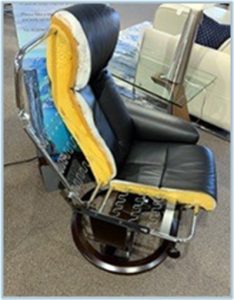 The time to flashover has changed dramatically over the years with modern synthetic furnishings. Now polyurethane foam is widely used in soft furnishings such as mattresses, chairs, and sofas. As can be seen in this photo, polyurethane foam is the leading synthetic component of most modern furnishings.
When ignited, polyurethane foam produces carbon monoxide, hydrogen cyanide, and other toxic products on decomposition and combustion, which can quickly incapacitate anyone breathing the smoke and other products of combustion. The toxic products created by burning polyurethane foam are described in this article.
When burning, polyurethane also produces much more heat energy than older natural products like kapok, which was widely used as stuffing in older furnishings.
Years ago, it was common to have flashover occur after about 10 to 20 minutes from the time of ignition. New furnishing can cause flashover in less than 3 minutes, and during full-scale test fires, some rooms reached flashover in under 2 minutes.
There are no lives for the fire department to save when this happens. The people are dead before the firefighters leave the station.
How well a fire department is trained, equipped, or staffed has little to do with saving lives in the room or area of fire origin. The more critical life safety factors are early fire detection, getting the people out of the fire area quickly (adequate exiting) and containing the fire to the room of origin (fire separation). Early detection with smoke alarms and fire separations in residential occupancies are practical tools to accomplish this. Fire separations are building components, including gypsum boards and doors designed to slow the spread of fire and smoke in the building.
Another method to slow the growth and spread of fire is to sprinkler the building. Sprinklers do not replace the need for fire departments, but they can save lives and property by reacting quickly in the early stage of a fire. Sprinklers can slow or prevent the fire from growing, allowing time for the fire department to arrive and extinguish the fire.
The National Fire Protection Association (NFPA) is a global self-funded non-profit organization devoted to eliminating death, injury, property, and economic loss due to fire and other related hazards. Their research shows working residential fire sprinklers control fires 96% of the time. When sprinklers are present, people are 81% less likely to die in a home fire, and property damage is reduced by about 70%.
The cost of installing home sprinkler systems varies, but most estimates are between $1.50 to $2.00 per square foot for new house construction and between $2.00 and $7.00 per square foot for retrofitted systems. These costs represent a minor amount of money compared to the loss of lives and property these systems could save.
If we want to save lives, building and fire codes should require the installation of sprinkler systems in all residential buildings. There is a long history of opposition to residential sprinkler systems from building contractors and affordable housing advocates. Still, there are opportunities to use similar strategies as is being used to improve the energy efficiency of homes. Safer homes and the reduction of preventable deaths from a fire are things everyone should get behind.
Jan 18, 2022
The Importance of Fire Prevention: Who Should be Held Responsible?
The deadliest fire in the Bronx in three decades took the lives of 17 people including 8 children in an apartment building on January 9, 2022. At FireWise, we’re asking ourselves, “Is it time to reflect on the importance of fire prevention and fire inspections? Should fire prevention and inspections be the sole responsibility of the fire department, or should the building owner share that responsibility? What can be done to prevent a tragedy like this from happening again?”
The National Building and Fire Codes of Canada, and many other jurisdictions, state that it is the building owners, or their agents, responsibility to comply with the codes.
Does that mean that every building must comply with the current code? Or should the building only be expected to conform to the code in effect at the time of construction? Although the recent Bronx fire is reported accidental in nature, being caused by a faulty electrical heater, we have often heard fire prevention professionals and building owners state that the ‘building only needs to meet the code of the day, but that is ridiculous if you think about it. When I worked for the Office of the Fire Commissioner, the office’s policy was that “Buildings need not meet the current code standard but they must provide an acceptable level of fire and life safety as determined by a competent fire official.”
Fire Safety Technologies Have Changed in the Last 80 Years
Our understanding of fires has progressed since the first National Building Code in 1941 and the first National Fire Code in 1963. Data shows that today’s fires spread faster and are more intense than those of 80 years ago. Does it make sense to expose residents to those higher risks with technologies we know are not up to the job? Of course not.
Even if the fire was accidental, was the building maintained to minimize the spread and speed of the fire? Could lives have been saved if the building had fire prevention measures in place?
One of the news articles I read about the fire said, “the door to the apartment and a door to a stairwell was left open, letting smoke quickly spread throughout the building.” The failure to close doors is a fire separation issue which, in my experience, is one of the most frequent causes of loss of life from fire. The simple installation of alarm-supervised hold-open devices on doors in public corridors and self-closing devices on apartment doors effectively manage these risks.
How do we change human behaviour? We need to look no further than the successful tobacco and seat belt programs as examples of where we have done this through education and enforcement. A combination of education programs, legal requirements, and penalties for non-compliance has reduced smoking and has seen a massive uptake in seatbelt use. Perhaps it is time to make fire safety education programs mandatory for building owners of multi-family residential and assembly buildings.
Who Should be Held Responsible?
Building owners have a responsibility to maintain an acceptable level of fire safety through the inspection, testing, and maintenance of fire safety systems. They need to understand what systems are provided in their facility and that ongoing maintenance is required. From time to time these critical systems will also require upgrading. Understanding and competence start with education.
At FireWise we believe that knowledge saves lives and to this end, have produced a course that provides building owners and their agents with the information they require to keep their facilities fire safe. The Building Safety Fire Prevention Training course is online and looks at the three most important aspects of fire safety: early detection, adequate exiting, and fire separations. The course also provides essential guidance on developing effective fire safety plans and understanding fire suppression systems.
Effective fire prevention is a team effort involving the building owner, fire department personnel, and occupants. FireWise can help you develop an innovative approach through education to improve the fire safety of the buildings in your community. For more information, contact us at info@firewiseconsulting.com.
Article links:
https://people.com/human-interest/bronx-apartment-fire-death-toll-revised-door-malfunction-investigated/
https://www.nytimes.com/2022/01/11/nyregion/bronx-fire-missing-persons.html
Nov 22, 2021
Recent floods in British Columbia show firefighters how they have become an all-hazardous emergency provider.
Firefighters are one of the first to be called into a crisis situation and they determine which additional services need to get involved. Simply, they take care of the immediate threat to life. Our fire service community needs support from you, from the government, and the community as these events of the past two years clearly demonstrate how they have become an all-hazardous emergency provider.
Current Flood Situation in BC
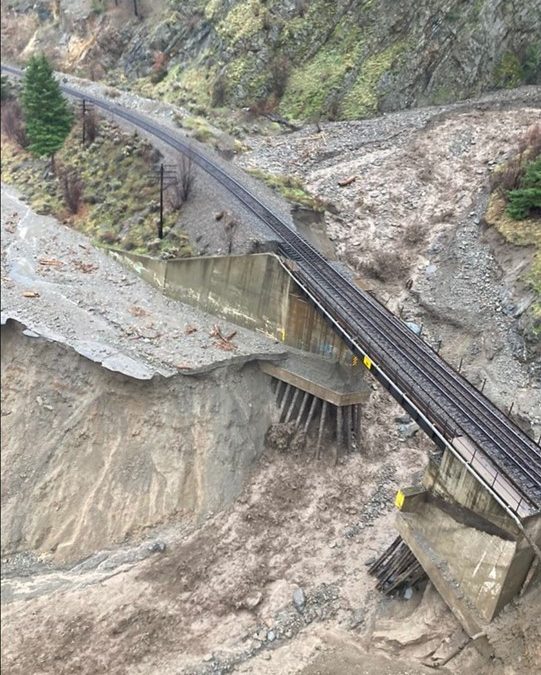
The current situation that the Province of British Columbia is facing with flooding and rockslides puts additional pressure on the fire service community in particular. If they weren’t already, they certainly are now, more than ever an all-hazard provider. Usually, as the first responder, they are required to make life-saving decisions in a timely manner and determine which additional support needs to be brought to the scene. A recent example of this is those that were called to the mudslide in Agassiz Fire Department (AFD) where individuals were trapped in their cars. These front-line workers, along with others, saved the lives and their presence alone calmed the fears of many.
The Canada Task Force 1 (CTF1) is a Canadian multi-disciplinary team that brings together firefighters, and specialists like engineers, paramedics, police, and others. Together they come in to back up local response agencies in all aspects of major emergency response. Many volunteers their time to participate in this important, national asset. This week they were deployed to Highway 7 to address several submerged objects and worked closely with AFD. The Canada Task Force 2 (CTF2), a team based in Alberta, recently assisted Whitehorse as they battled major flooding. As a result of climate change, wildfires and unusual weather events are more frequent and more severe. The risk is still out there as we see with the recent events in Abbotsford.
Photo courtesy of @DriveBC

Oct 26, 2021
Did you know that the incidents of fire are 10 times higher within Indigenous communities versus other Canadian communities?
This statistic comes from the National Indigenous Fire Safety Council Project and highlights the ongoing fire threat to Indigenous homes and families which is five times more likely to be fatal. That number increases to over 10 times for First Nations people living on reserves. The National Indigenous Fire Safety Council’s website is designed to offer support to Indigenous communities.
The reasons that fire safety is such a prevalent issue in First Nations communities vary but can be attributed in part to lack of smoke alarms, higher poverty rates and insufficient housing. The importance of adequate training being provided within every community is extremely crucial and losses on First Nation lands far surpass those on off-reserve communities.
Knowing how to prevent a fire can make the difference between lives saved or lost. Remembering how an unattended pot on a stove can readily turn into a kitchen fire, and that flammable objects near a baseboard, electric heater or a fireplace can cause pyrolysis (the decomposition of a combustible object brought on by constant or high temperatures which lower its ignition point) can make the difference between life and death.
While wildfires and other natural disasters can also put First Nations communities at risk; fires in homes are often completely preventable. It is crucial to implement fire safety protocols and attain fire safety prevention training to reduce and prevent losses.
Five Reasons to Learn About Fire Safety and Prevention
- Fire prevention is inexpensive and saves lives and property.
- Routine fire prevention assessments ensure a high level of building and occupant safety.
- Detecting and quickly extinguishing a fire by learning how fire protection systems are designed.
- Regular safety code inspections provide occupants with fire safety education, it demonstrates a commitment to safety and builds trust within the community.
- Learning how to eliminate hazards that can cause a fire to start and grow.
FireWise has developed online training courses that are easy to follow and provide the knowledge needed to save lives. To learn more please check out Building Safety and Fire Prevention training program at www.firewiseconsulting.com.

Sep 25, 2020
This blog is intended to provide specific tips that will give people who have physical limitations the peace of mind that they have done as much as is reasonable and practical to prepare for an emergency event at their residence.
Emergency Kit Checklist for people with disabilities
There are many checklists out there which outline what one should have in a personal emergency kit. The following is a list of items to consider having in the case of an emergency:
- Flashlight and spare batteries
- A telephone that can work during a power disruption
- Important papers, including those that will provide personal identification
- Bottled water
- Clothing and footwear
- Blankets
- Toiletry and other personal items
- Medication
- Backpack/sports bag
These items may not apply to every situation or every person, but they are designed to make one think what they would need in the event they have to leave their home quickly at any time of the day.
Helpful tips
- Ensure all emergency kit items are organized in one place, easy to access and easy for someone to carry.
- Have special needs equipment tagged, including instructions, on how to use or move each assistive device during an emergency?
- Complete a checklist of items in the emergency kit and a personal assessment sheet, outlining any mobility and agility limitations. Provide a copy to family members, caregivers and others who may visit frequently. Keep a copy in the emergency kit.
- If there are food or medication allergies, consider wearing a MedicAlert® bracelet or necklace.
- List all food/drug allergies and current medications (for each medication, specify the medical condition being treated, the generic name, dosage, frequency, and the name and contact information of the prescribing physician) as with the checklist of items in the emergency kit. A copy of this list should also be given to family members, caregivers and others who may visit frequently and keep a copy in the emergency kit.
- If life-sustaining equipment or regular attendant care is relied on, key contacts should be prepared to check in on the individual immediately if an emergency occurs. It is recommended that there is an emergency backup plan in place in the event of a power outage.
- Carry a personal alarm that emits a loud noise to draw attention.
- It is recommended that emergency kits are checked twice a year to ensure the contents are up to date
Being prepared
People with disabilities/special needs are encouraged to adapt their emergency kits to their own needs. The lists presented here are just some examples of how to prepare for an emergency.
An excellent link for more information on this topic: Click Here.
Questions regarding any of this information should be directed to your local fire department or emergency program coordinator who will provide the answers or will provide guidance as to where the answer may be found.
May 23, 2020
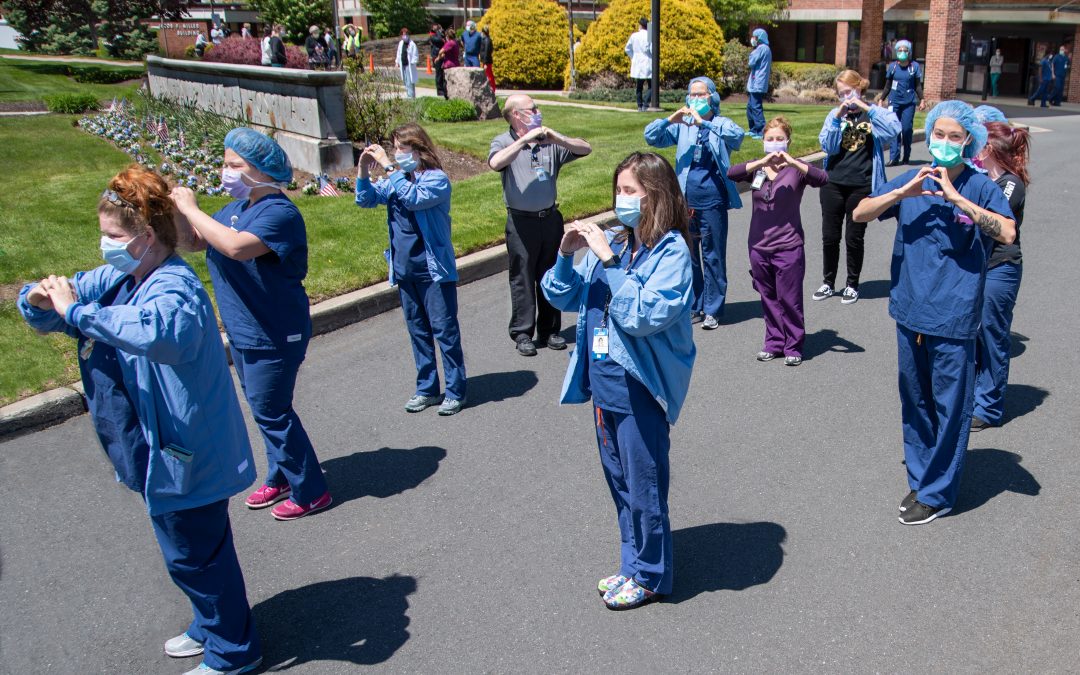
During these unusual and unique times many fire departments are being approached to provide drive-bys for birthdays, graduations, front-line workers, and other community events.
Here are some of the numerous good reasons to fully consider such requests:
- One that comes up most often is answering the question “Does it make someone smile?”
- It allows firefighters to connect with the residents/community.
- The residents are keen to show their support for front-line workers and firefighters provide the perfect opportunity.
- The volunteer fire service may wish to use the opportunity to encourage recruitment.
Before engaging in such activity there are some considerations that should be evaluated to ensure the best interests of the fire protection district are being addressed:
- Does your department already participate in community parades?
- Has your Authority Having Jurisdiction, your Municipal Council, Regional District Board of Directors, etc. been asked to support this initiative?
- Have you consulted your insurance broker to confirm you are compliant with the various policies that are in place?
- Obtaining a policy from your local government is seen as a best practice. The policy would outline the authority given to the Fire Chief to manage requests and/or opportunities. Such a policy would also be seen as formal support from a risk management perspective for the fire chief and firefighters.
- Has the courtesy of asking the local police force to agree to the use of lights and sirens in a non-emergency situation occurred?
The content of your Operational Guideline, particularly during the COVID-19 pandemic, should include, but not necessarily be limited to the following:
- Number of firefighters on each piece of apparatus.
- Number of events per week the fire department will commit to.
- Appropriate PPE based on the health regulations your community is obliged to follow.
- Department’s position with respect to having non-firefighters riding on the apparatus.
- Department’s position with respect to stopping.
- Department’s position with respect to distributing “gifts” along the route. (Fire prevention material, public safety promotional items, candy, etc.).
- Procedure to follow if an emergency call is received.
Some of the other considerations that have been shared by fire departments providing this community service are:
- Use the opportunity to provide driver training.
- Be prepared to answer the question, if we do it for one, do we feel obligated to do it for everyone who asks?
- Formalize the opportunity by asking for an application form to be submitted for a specific event.
- Ensure your members have the appropriate training, and possess the good judgement required to represent the fire department.
- Have a senior member coordinate the event that is accountable to ensure the objectives are met.
- Know who is organizing the event. If it is not a fire department event, have the organizers been briefed as to what they can expect from the fire department? Make sure they have agreed to the ground rules laid out by the Fire Chief.
- Has the Fire Chief completed an appropriate Risk Management Assessment of the event?
- Be conscientious of facilities along the determined route that may be sensitive to the sound of sirens, particularly where there are animals.
Best practice has seen some of the following parameters adopted for drive-bys:
- Plan to go once a week, at the same time on a pre-determined route. For example, leave the fire hall every Saturday at 7.00 p.m. Parade will last for a maximum of 20 minutes.
- Offer to drive-by birthday parties on a Saturday afternoon and manage the events and locations accordingly.
- Establish age limits and event types that will be attended.
- If the decision is made not to offer the drive-bys, give some thought to stating your position on the fire hall and/or a community website.
- Consider the demands on your volunteer firefighters’ time. Make sure the amount of time requested includes time to ensure COVID-19 requirements are completed.
Final thought: If it makes someone smile, why wouldn’t you do it?
Dave Ferguson
Associate
May 2020
May 14, 2020
Is your fire department charged with performing fire inspections but having difficulty meeting your targets?
Do you send inspectors or firefighters into buildings that are fully compliant or have only minor deficiencies?
If you answered yes to either of these questions, it’s time for change.
You can adopt innovative approaches to the delivery of fire safety programs that could meet your operational priorities using a risk-based approach to this common challenge. Through this lens, you can develop a fire prevention strategy that effectively provides comprehensive protection to all stakeholders.
The objectives of fire prevention should be identical to suppression priorities, prevent loss of life and damage to property and the environment. Achieving these desired outcomes should be done collaboratively with all parties, including the education of building owners and managers to recognize and accept their responsibility to provide an acceptable level of fire and life safety in their buildings.
Most building and fire codes clearly place the responsibility for compliance directly on the building owner. Instead of trying to build internal capacity to inspect building systems, it’s time to consider a fire prevention self-assessment program that shifts responsibility from the local government to the owners/occupiers of low hazard – low occupant load buildings that make up about 70% of all buildings in the community.
There are numerous steps involved in developing a sustainable self-assessment program some of which include:
• Identify a champion for the program
• Obtaining support and endorsement from local government
• Developing policies and operational guidelines
• Creating an inventory of building stock requiring inspection
• Conducting inspections of all properties to establish a base line
• Establishing frequency of inspection guidelines
• Creating the incentive for low-risk occupancies to self-assess through fees for service
• Invest in a data collection and management system for self-assessment reporting
• Liaise with property owner/manager associations to promote self-assessment
“A fire safety Self-Assessment is a report completed by a business that is not a fire safety inspection but is rather a means for a municipality to screen a low risk occupancy to determine how soon an actual fire safety inspection by a professional inspector is warranted”. T.A.C. Schober, LLB
The self-assessment concept is being used successfully in other disciplines and when implemented will result in better use of municipal resources, increased fire safety awareness and cost savings.
If your community is interested in getting started on self-assessment, we can help. Building Safety Fire Prevention Training is an online course specifically designed to educate building owners and managers of low hazard – low occupant load buildings about how to conduct a fire safety self-assessment. Get in touch with us to see how FireWise can help your community adopt an innovative fire inspection delivery system.
Bob Turley
Co-founder
May 2020

Apr 20, 2020
Fire departments, through their insurance provider, frequently have legal actions brought against them at fatal, injury events or significant dollar loss incidents. These incidents are not restricted exclusively to fires. FireWise has been called to provide support as an expert witness to the legal system on several files that have involve water damage claims where the actions of a fire department are questioned.
As an expert witness, it is important for FireWise to remember that we are working for the Court, not for one side or the other. As an expert witness we must be objective and not advocate for one side or the other. Once a statement of claim is made, and the action is brought against an AHJ and the fire service, we are engaged to write an opinion based on agreed assumed facts. If it is evident there were mistakes made, procedures not followed, or other problems, as an expert witness we are obliged to include that in our opinion, which could be introduced into a Court proceeding. In many situations, cases go to mediation where professional reports from fire investigators, engineers and other expert witness opinions are presented. Many cases are resolved in this manner, and the fire department is not aware of the outcome.
Actions brought against a fire department generally are concerned with the strategies and tactics a fire department employs in attacking a fire. Other factors will be looked at, such as water supply. Did the fire department have enough water, or was it interrupted for any reason? Were there enough resources sent to the fire? Was mutual aid called early in the incident? Was the incident commander able to get the incident organized and maintain command and control? Were the department OG’s followed? Were the AHJ’s policies concerning response time and an effective response force sent for what was reported to the fire dispatch centre? The difference here is what was reported versus what was found.
Policies of Council are important. It is rare to have a policy of Council successfully challenged, but if it was not followed, that could be a problem. OG’s are also important, as is personal discipline. Firefighters are used to reacting to solve a problem. Reacting to a problem is not always the best tactic, especially if there is discretionary time to think things through.
The good news is unless you are grossly negligent or willfully cause injury or loss, a firefighter may be embarrassed, but it has not been our experience for them to have an action brought against them.
If your fire department would like to discuss how you can protect yourself should a legal action be commenced, please get in touch with us.
Glen Sanders
Co-founder
April 2020
Mar 27, 2020
“Do More with Less” is a sentiment we are hearing a lot more of lately. While the words vary from community to community, the context is generally the same; taxpayers are unhappy with taxation levels, communities expect great services and there are many competing priorities that challenge decision makers. Community risk profiles are changing, and while fires represent a decreasing percentage of our calls, the implications of those fire events including life threat, dollar loss and liability exposures are increasing. Densification of urban neighborhoods in most jurisdictions represent more people, more activity, increasingly difficult access and challenging responses far beyond “just fires”. Aging populations and limited capacity of partner agencies increase non-traditional service expectations. Climate change is driving planning, preparation and response to floods, interface fires and other incidents that are occurring more and more frequently. And, despite all of this, fire services are being held to existing budget and resource levels, and in many cases, seeing cutbacks.
So, what’s to be done? I suspect that those who are using derivatives of “do more with less” are actually trying to say “help us” as they wrestle with the allocation of finite resources to support many diverse priorities. Fire services have a unique opportunity to lead development of sustainable service delivery strategies through creative use of our traditional approaches to resource sharing and building community capacity. These updated approaches have the potential to focus increasingly scarce resources on critical programs and ensure that our programs are meeting desired objectives.
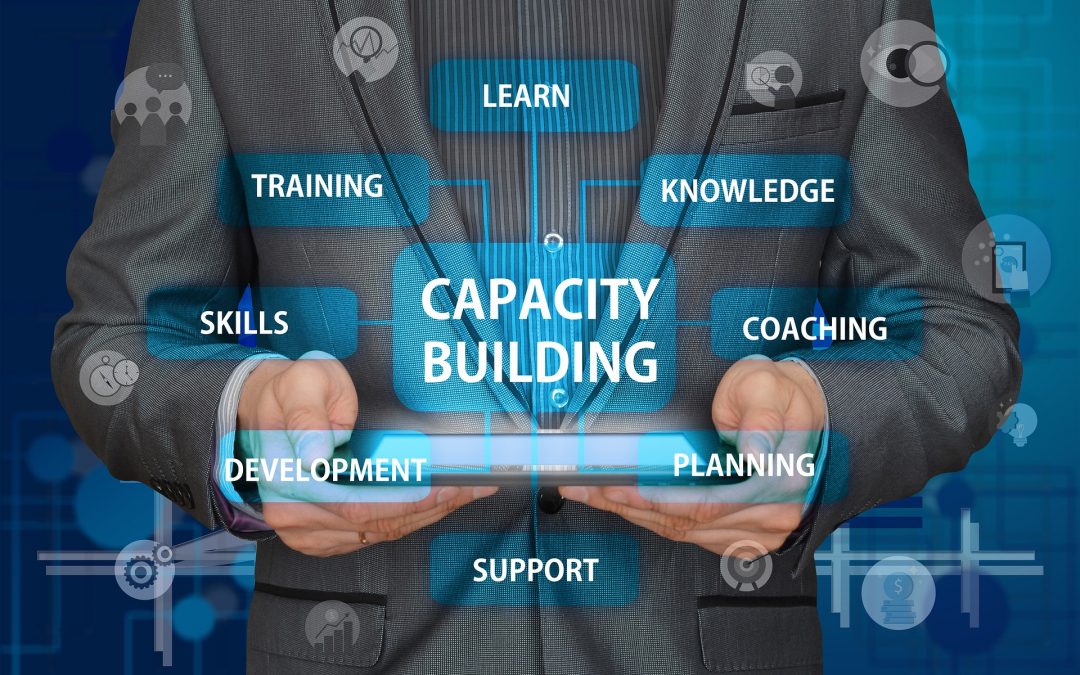
Let’s take fire prevention inspections as an example. For most of us, getting to all inspectable properties in our communities is a stretch goal at best. We know that most fires are as a result of human activity, not building system failures. Canadian building and fire codes make it clear that responsibility for compliance with the various codes is the responsibility of the building owner. Instead of trying to build internal capacity to inspect building systems that are, for the most part, reasonably fire safe, how about investing in developing the capacity of building owners to manage those systems and occupant behaviours more effectively? Instead of creating a dependency on fire department interventions, we could deliver training to building owners, implement a quality assurance program and be a resource to building owners to jointly achieve improved fire safety outcomes. Building these trust relationships will benefit everyone, reduce the incidence of fires and make it far more likely that building owners will look to us as allies. Fire department resources can then be focused on supporting this program and dealing with outliers who need more focused compliance and enforcement efforts.
The fire service has a long history of developing innovative partnerships to deliver services of value to residents, businesses and others in our communities. Mutual aid agreements, regional training, professional associations and contract services are all examples. We have an incredible opportunity to build on those past successes and lead the development of innovative service delivery and community capacity building programs. This will allow us to focus our resources on those programs we must deliver and show our community the real value of the fire service.
FireWise can help you explore these and other opportunities to develop creative solutions for your fire protection needs. Drop in and see us at www.firewiseconsulting.com to see how we can help.
Ernie Polsom
Director
March 2020