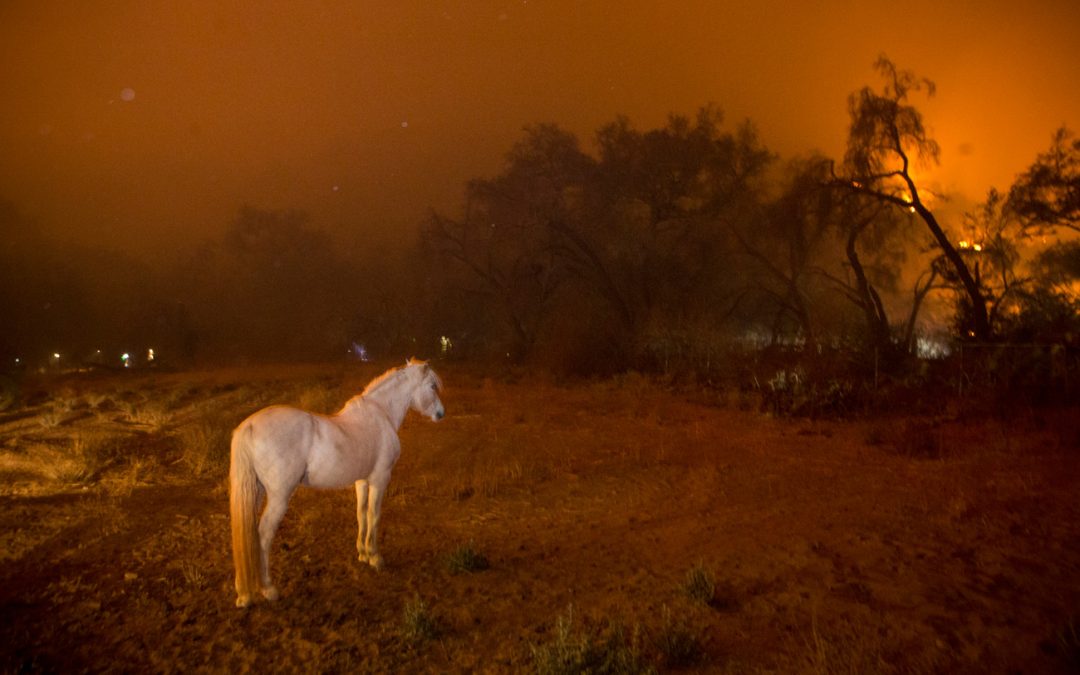
Impact on Animals in a Wildfire
Click here to read more.
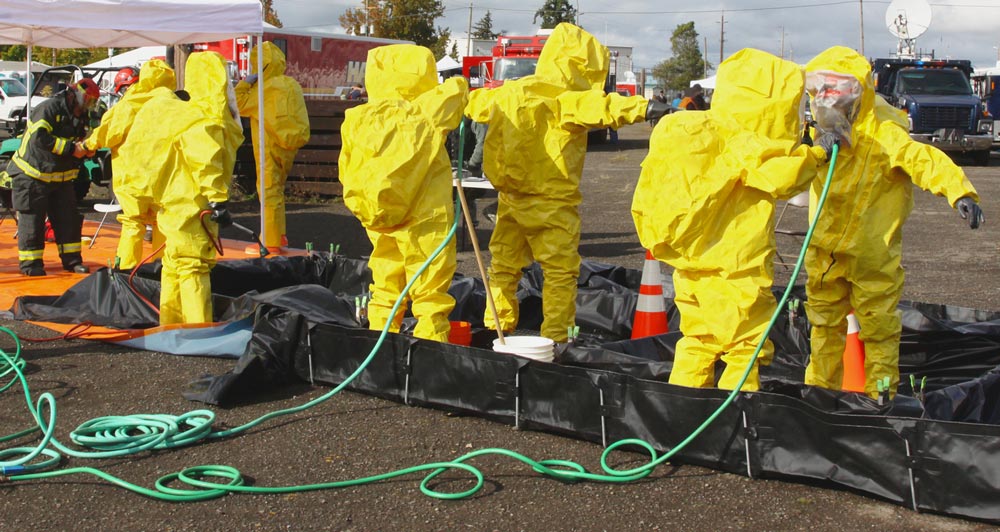
“Fire and spill professionals often think absorption and adsorption are the same thing. But the truth is there is a fundamental difference in the performance of an absorbent versus an adsorbent, and not understanding these differences during a hazardous materials spill can have serious occupational safety and health implications.”
Click here to read more.

“UL Firefighter Safety Research Institute (FSRI) announced today the release of the new “Impact of Ventilation on Strip Malls” online training course. This online course explores the results of the fire experiments conducted in a multi-unit strip mall as part of the “Study of Coordinated Fire Attack Utilizing Acquired Structures.” These experiments were conducted in collaboration with the Fairborn Fire Department (Fairborn, Ohio) to explore the impact of ventilation on the fire dynamics of large, open volume commercial structures.”
Click here to read more.

“Fire protection systems are increasingly networked to Building Control Systems (BCS), Internet of Things (IoT), and other platforms that are, by design or oversight, exposed to the public-facing Internet. This emerging environment could lead to unique and novel cyber vulnerabilities, and attacks on fire protection systems have the potential to have significant consequences. However, a thorough understanding of cybersecurity issues related to fire protection systems is lacking. The expansiveness of these vulnerabilities, the severity of the consequences, and the awareness of the fire protection community of these vulnerabilities is not well understood.”
Click here to read more.

“Firefighting is a race against time. Exactly how much time? For firefighters, that part is often unclear. Building fires can turn from bad to deadly in an instant, and the warning signs are frequently difficult to discern amid the mayhem of an inferno.”
Click here to read more.
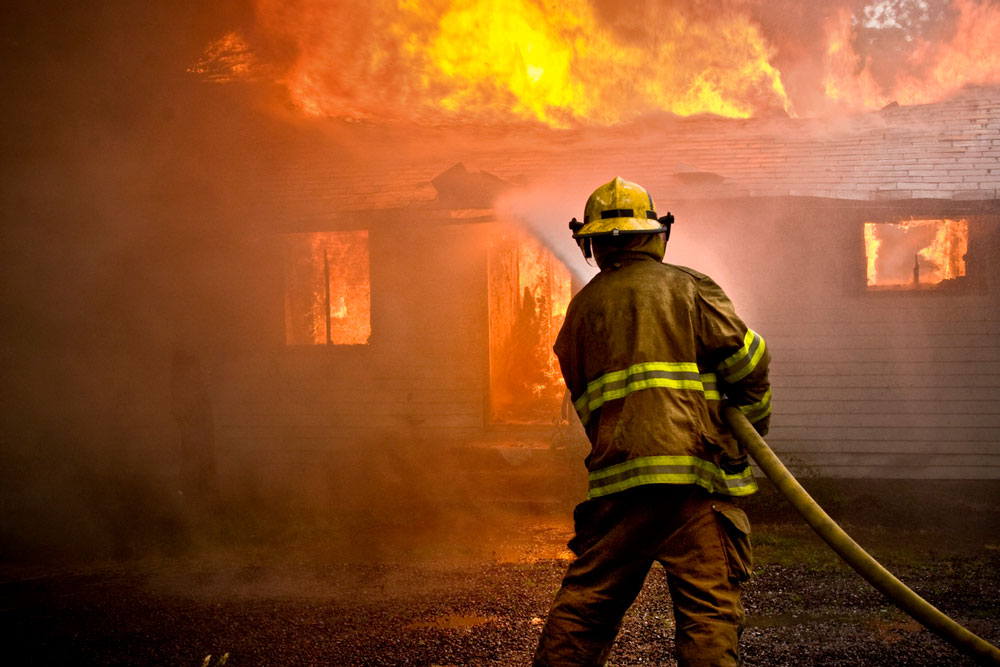
“Projects treated with BarrierTek fire-resistant coatings are hard to miss. Our distinctive colourful coatings are more than just hallmarks of a progressive developer. They are beacons of safer communities, and the net result of over a decade in innovation in wood construction fire safety.”
Click here to read more.
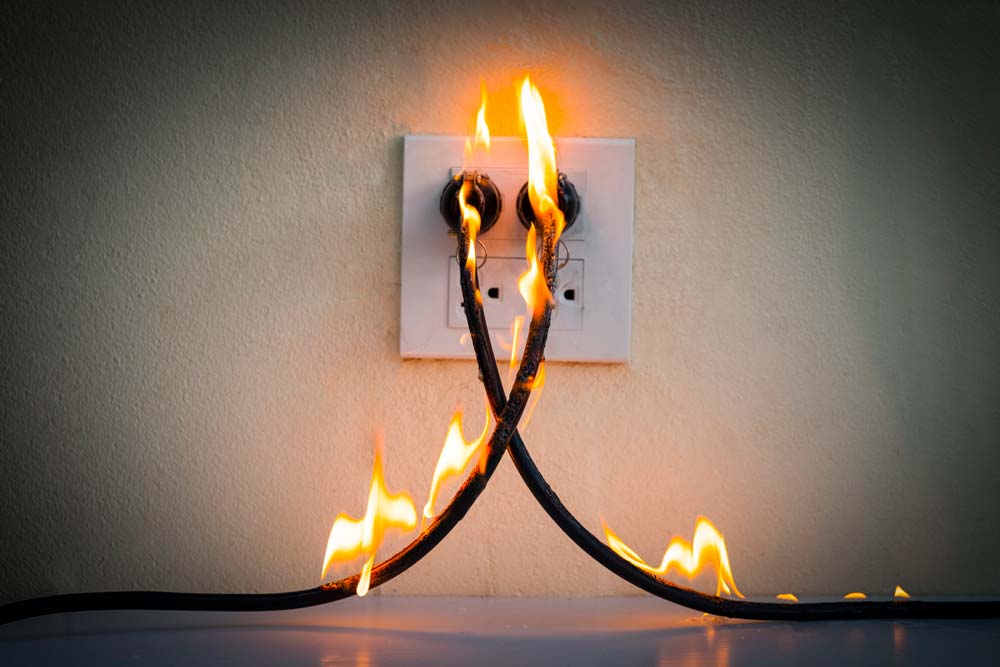
“Home electrical fires account for an estimated 51,000 fires each year, nearly than 500 deaths, more than 1,400 injuries, and $1.3 billion in property damage. Electrical distribution systems are the third leading cause of home structure fires. Each year in the United States, arcing faults are responsible for starting more than 28,000 home fires, killing and injuring hundreds of people, and causing over $700 million in property damage.”
Click here to read more.
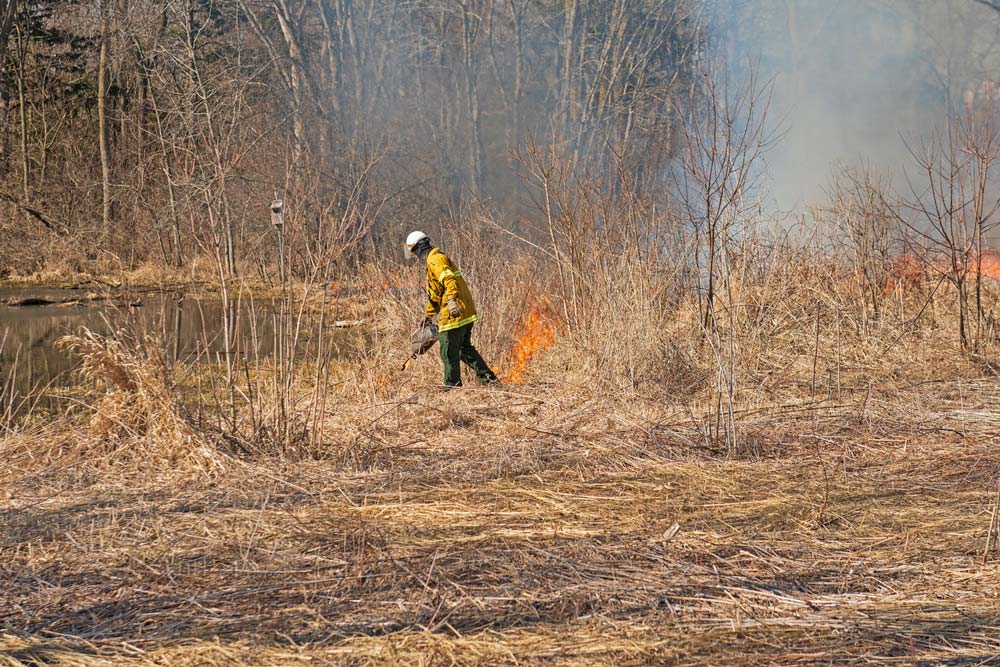
“As flames spread up the hill toward million-dollar homes, the firefighters scrambled to keep pace.
“It’s starting to move up the trees!” shouted Jason King as Steve Zieba raced ahead with a hose, slipping on the steep incline before aiming his nozzle at a burning eucalyptus trunk. On the cliffside above them, another crew hauled a water line up sheer rocks and through heavy smoke to replace a hose melted by the blaze.”
Click here to read more.
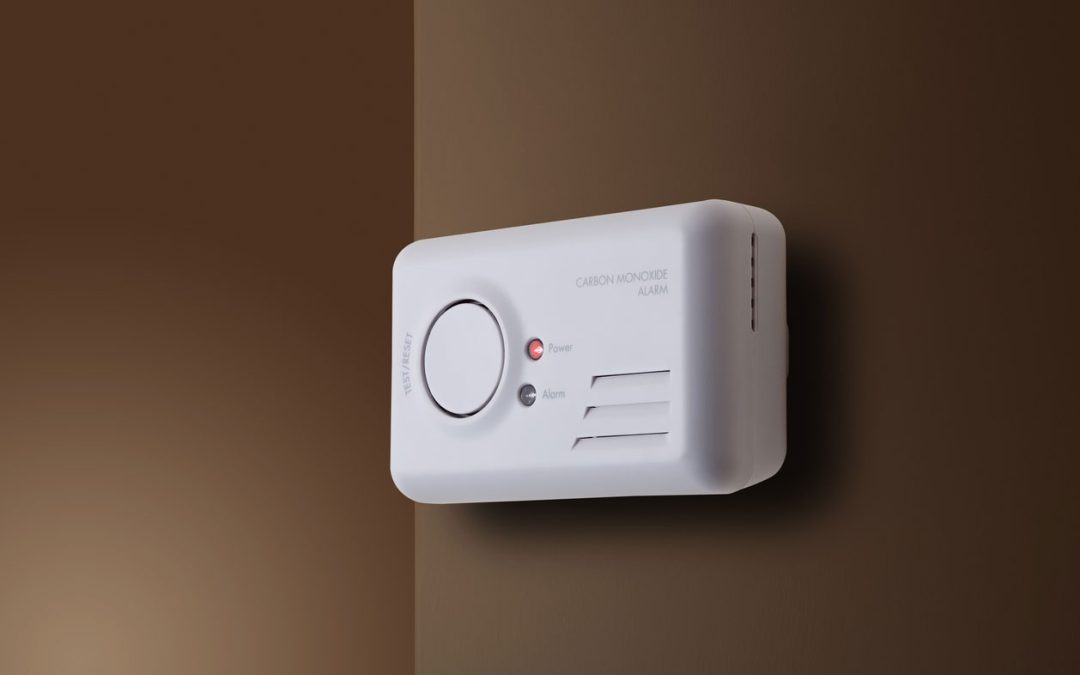
“The National Fallen Firefighters Foundation (NFFF) is humbled to partner with the National Carbon Monoxide Awareness Association (NCOAA) in efforts to improve firefighter safety. Recently code proposals were submitted to enact changes to the International Fire and Building Codes which would establish uniform baseline requirements for carbon monoxide (CO) alarms in all new and existing commercial buildings that have fuel-burning appliances or have attached garages. At the end of September 2021, following a defeat on these proposals at the spring code development hearings, there was a hearing to reconsider both proposed code changes, IFC-102 and IFC-116. Thanks to great work by many involved, including testimony from the NFFF, both proposals received 2/3 approval by the ICC Membership at the public comment hearing. The next step is to pass the online governmental consensus voting which will then complete the process for this change in the 2024 ICC Code documents.”
Click here to read more.
“On 12 July 2020, a fire set USS BONHOMME RICHARD (LHD-6) ablaze for more than four days, and left the ship damaged beyond economical repair. Although the fire was started by an act of arson, the ship was lost due to an inability to extinguish the fire. In the 19 months executing the ship’s maintenance availability, repeated failures allowed for the accumulation of significant risk and an inadequately prepared crew, which led to an ineffective fire response. There were four key focus areas to this final outcome.”
Click here to read more.