District Of Nanaimo, Coombs-Hilliers Appoint Enzo Calla As New Fire Chief
District Of Nanaimo, Coombs-hilliers Appoint Enzo Calla As New Fire Chief –


District Of Nanaimo, Coombs-hilliers Appoint Enzo Calla As New Fire Chief –
Osoyoos Fire Rescue Welcomes New Fire Chief Everett Cooke To Their Crew –
Deputy Fire Chief Drew Boys Appointed As Burlington’s New Fire Chief –
https://www.insidehalton.com/news/burlington-new-fire-chief/article_301fe9d5-fb3f-5efc-9ab9-98786d29ffb1.html
Foxboro Deputy Fire Chief David Laracy has retired after a 30-year career.
Laracy began as a call firefighter in 1995 and was hired full-time in 1997.
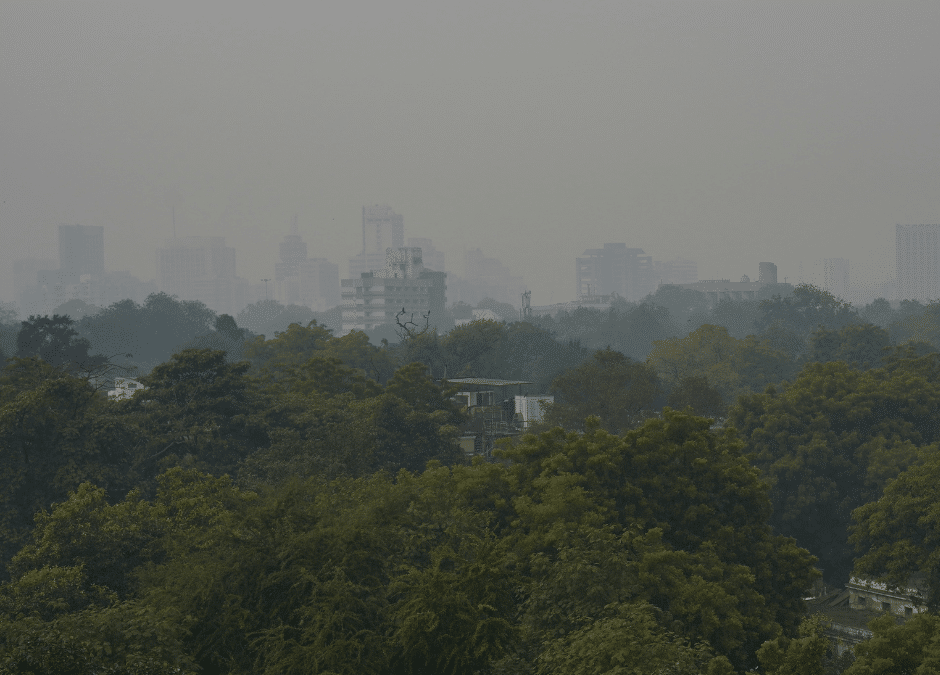
A new study shows that wildland fires emit far more air pollution than scientists thought, releasing huge amounts of smoke, soot and greenhouse gases that can affect air quality thousands of kilometres away. These findings could change how experts assess the climate and health impacts of wildfire seasons. Read on to learn how this research could reshape our understanding of fire emissions.
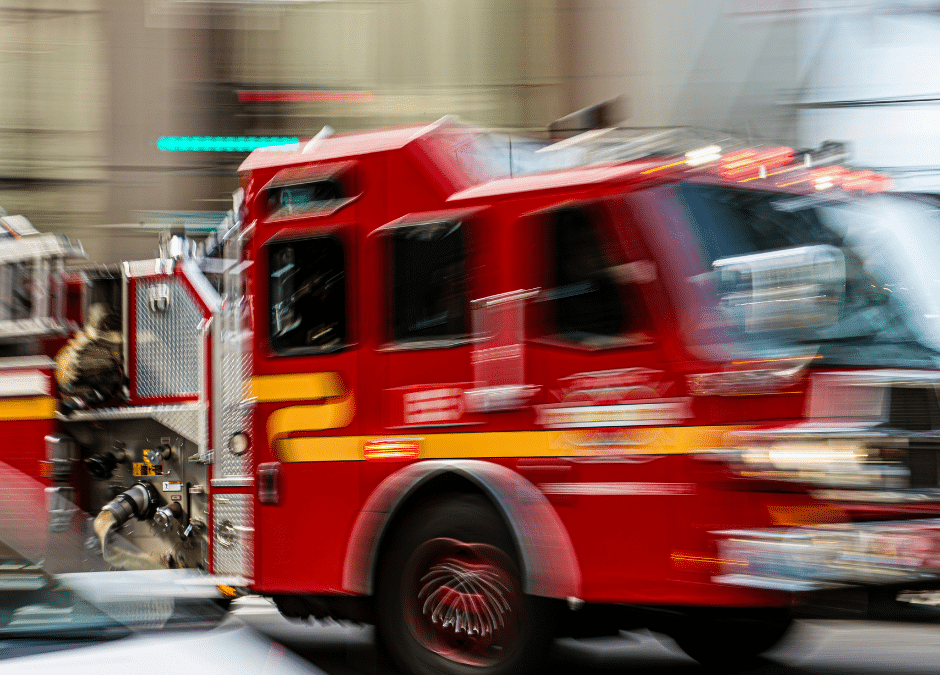
The Farmington Fire Department is using a new technology that alerts drivers to approaching emergency vehicles, aiming to reduce collisions and clear the way faster for crews responding to calls. By sending real‑time warnings directly to phones and dashboards, the system could save crucial seconds on every run. Read more to see how this tool works and why departments are adopting it.
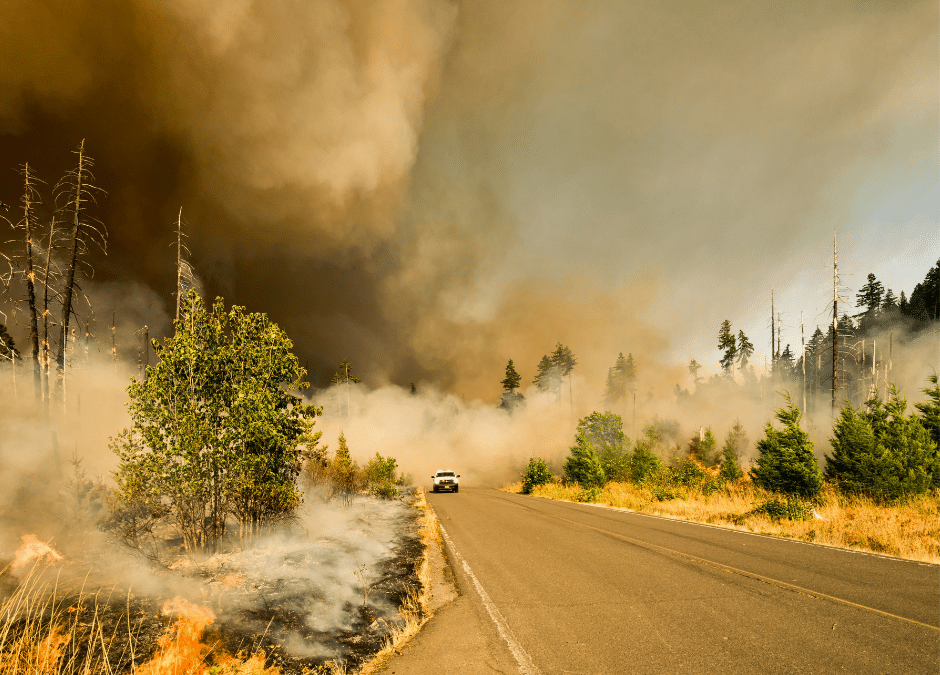
A new federal study finds that while Canada is seeing fewer wildfires overall, the big blazes that do occur are burning much more land and causing significantly more damage than in the past. Researchers say this shift points to longer, hotter fire seasons and tougher conditions that make huge fires harder to control. Read more to understand why fewer fires aren’t necessarily better, and what it means for communities and forests.
https://www.cbc.ca/news/canada/canada-wildfires-fewer-fires-more-damage-study-9.7051171
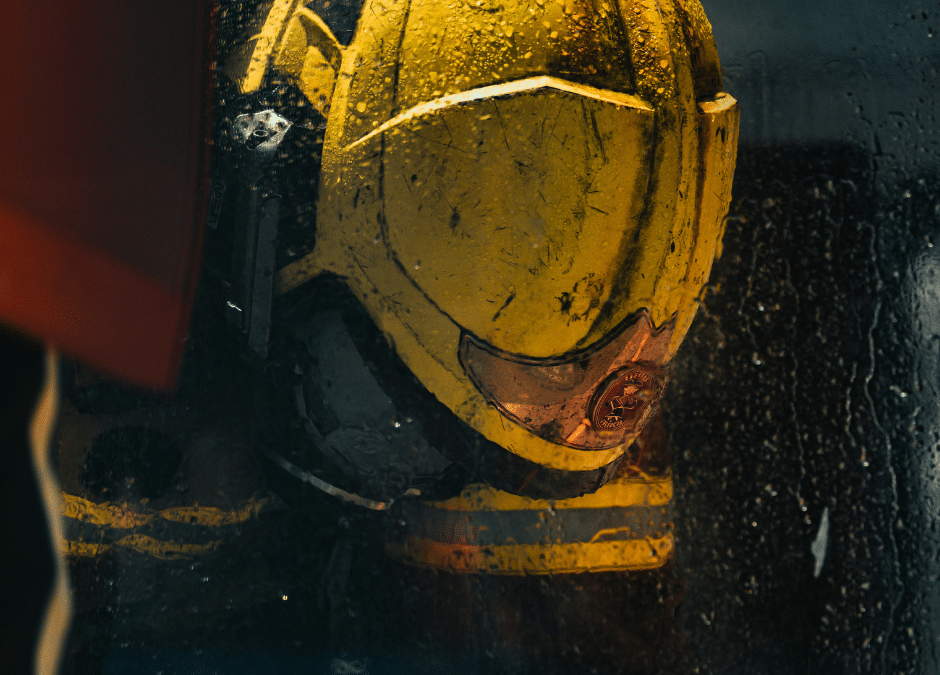
The Corpus Christi Fire Department is trialling revolutionary helmets with built‑in infrared cameras that let crews actually see through smoke and darkness, a huge advantage when visibility drops to zero. The live video feed also streams back to teams outside, giving command real‑time visuals during a fire. Read more to find out how this tech is helping crews stay safer and move faster in dangerous conditions.
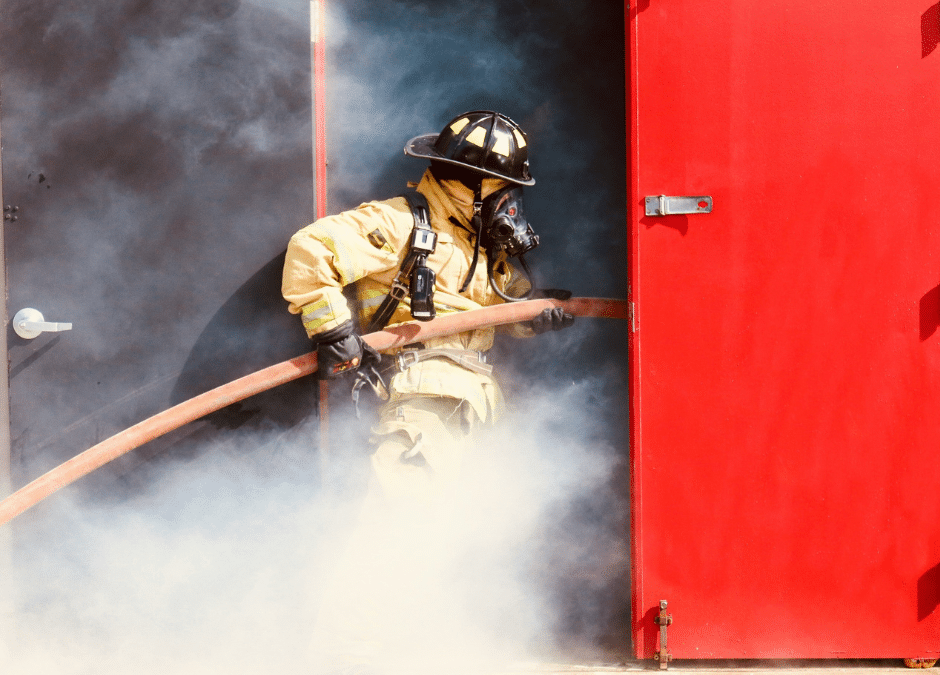
Many fire departments are doing fewer live‑fire training sessions, and that’s costing firefighters more than just experience. It can affect confidence, decision‑making and safety when the real thing happens. The article explores why hands‑on training is slipping and how departments are trying to bring it back. Read more to see why live burns still matter in preparing today’s crews.
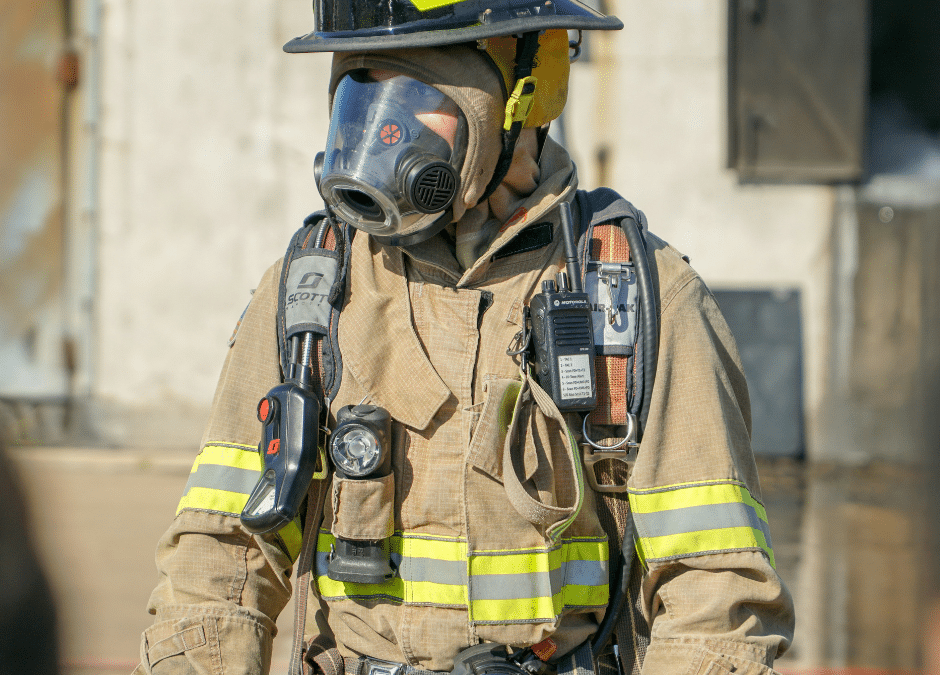
Firefighters’ protective gear can break down over time from UV exposure, even if it looks okay on the outside, and that can weaken the very protection crews depend on in a fire. Proper care and inspection can help extend the life of PPE and keep responders safer on the job. Read more to learn how UV damage happens and what you can do about it.